


When global buyers think about importing nails from Vietnam, one question quickly arises: what is the true cost of bringing these fasteners from the factory floor to the final warehouse? The answer is not simply about the factory price per ton. Instead, it depends heavily on the choice of Incoterms® — the international commercial terms that define who bears responsibility, risk, and cost at each stage of the shipping journey.
This article dives deep into how Incoterms influence the overall expenses for roofing nails, construction nails, and other fasteners sourced from Vietnam. By the end, you will understand not only the theory but also practical strategies to cut costs, avoid hidden fees, and negotiate effectively with suppliers and freight forwarders.
MỤC LỤC BÀI VIẾT
What Are Incoterms and Why Do They Matter?
Incoterms, short for International Commercial Terms, are standardized rules published by the International Chamber of Commerce (ICC). First introduced in 1936, they have been updated regularly — the current version is Incoterms 2020.
These rules do not replace contracts, but they clarify:
📍 Where the transfer of risk happens.
🚢 Who arranges and pays for transportation.
⚓ Who handles insurance, customs clearance, and duties.
In the context of importing nails from Vietnam, where margins can be thin, the right Incoterm can save thousands of dollars per shipment. A poorly chosen one, however, can expose you to risks like container demurrage, surprise port charges, or even cargo abandonment.
Why Vietnam Is a Key Source for Nails
Before diving into Incoterms, it is important to recognize why buyers choose Vietnam in the first place:
Competitive Manufacturing Costs: Vietnam offers lower labor costs than China or South Korea, while maintaining strict quality control.
Modern Facilities: Nail factories in Vietnam use automated lines and galvanized coatings, producing goods that meet ASTM and ISO standards.
Strategic Shipping Location: Vietnam’s proximity to major trans-Pacific routes reduces lead times to North America and Latin America.
Export Growth: The country has invested heavily in deep-water ports like Cái Mép – Thị Vải, allowing direct sailings.
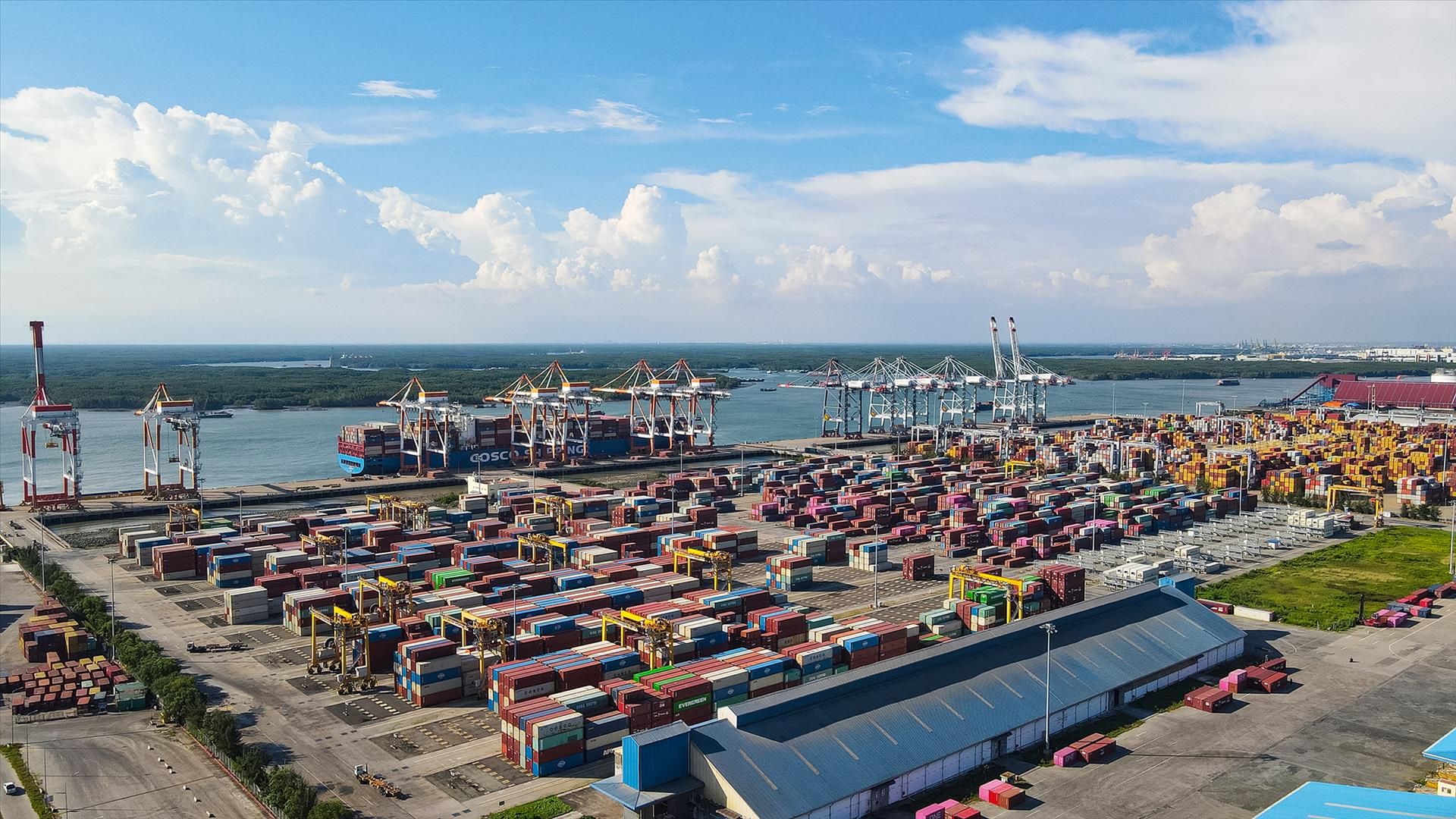
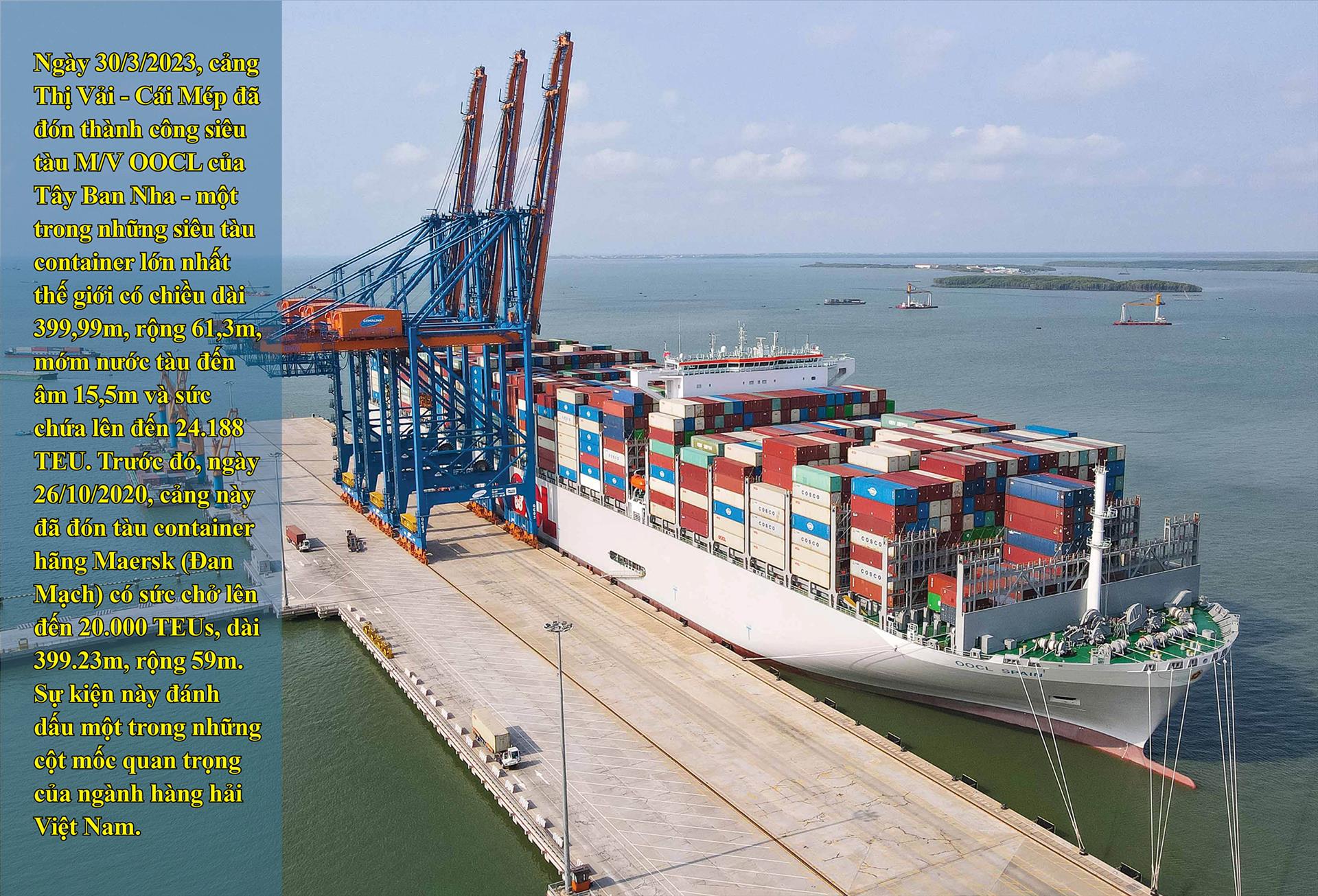
The mega container ship M/V OOCL has a capacity of 24,188 TEUs on its maiden voyage connecting Asia and Europe.
All these factors make Vietnam an attractive sourcing hub. But to unlock these advantages, buyers must pair smart sourcing with smart logistics — which is where Incoterms come in.
How Incoterms Impact Importing Nails from Vietnam
Incoterms affect three major dimensions of the total landed cost:
Direct Costs (Freight & Insurance) – Who pays for ocean freight, trucking, and coverage?
Indirect Costs (Port & Documentation Fees) – Handling charges at origin and destination, customs documentation, etc.
Risks and Liabilities – Who bears responsibility if cargo is damaged, delayed, or lost at sea?
Even if the supplier quotes a “cheap” price, the wrong Incoterm could shift hidden costs onto you. Let’s break this down Incoterm by Incoterm.
Common Incoterms in Nail Import Contracts
EXW (Ex Works)
Seller makes goods available at their factory in Vietnam.
Buyer arranges all transport, export clearance, and insurance.
Pros: Maximum control for buyer. Useful if you have a trusted freight forwarder.
Cons: High administrative burden; risky if you lack a strong Vietnam-based logistics partner.
FOB (Free on Board) – The Most Popular Term
Seller delivers goods onto the vessel at the port of departure (e.g., Cát Lái).
Buyer pays ocean freight, insurance, and destination charges.
Pros: Balanced — Vietnamese suppliers handle export formalities; buyers control shipping costs.
Cons: Risk passes as soon as goods cross the ship’s rail, even if the vessel is delayed.
CFR (Cost and Freight)
Seller arranges freight to the destination port, but insurance is excluded.
Buyer covers unloading, customs, and inland transport.
Pros: Convenient if you want the supplier to handle the sea leg.
Cons: No insurance; often suppliers quote inflated freight rates.
CIF (Cost, Insurance, and Freight)
Same as CFR, but insurance included.
Common in nail trade because importers want “one invoice” simplicity.
Pros: Predictable; avoids scrambling for insurance.
Cons: Supplier often chooses minimal coverage, not protecting full value of nails.
4.5 DAP (Delivered at Place)
Seller delivers to buyer’s premises or designated location abroad.
Buyer only handles import duties and customs.
Pros: Hassle-free; good for small importers.
Cons: Higher cost; limited visibility on freight breakdown.
DDP (Delivered Duty Paid)
Seller covers everything, including customs duties and taxes.
Buyer just receives goods.
Pros: Stress-free.
Cons: Risky — suppliers may overcharge or mishandle local customs compliance.
Cost Breakdown: Case Study of Nails Import
Let’s assume an importer in Mexico orders 25 tons of roofing nails from a factory in Cần Thơ, Vietnam.
Case A: Under FOB
Ocean Freight (20-ft container, Cát Lái → Manzanillo): ~$1,030
Origin Charges: ~$250
Destination Charges: ~$500
Total (before duties): ~$1,780
Case B: Under CIF
Supplier charges $2,300 “all-in”
Hidden Issue: Insurance covers only 10% of true value. If nails worth $25,000 are lost, payout is only $2,500.
Case C: Under DDP
Supplier quotes $4,200 delivered to warehouse in Mexico.
Buyer has no control over inland trucking, customs brokers, or potential fines.
Conclusion: FOB often offers the best balance of transparency and cost efficiency.
Hidden Costs Importers Overlook
Port Congestion Surcharges during peak season (Aug–Nov).
Demurrage & Detention Fees if customs clearance is delayed.
Currency Fluctuations — contracts in USD but payments in local currency.
Low-Grade Insurance under CIF terms.
“Documentation Fees” at both origin and destination that may not be included in quotes.
Each of these can add $300–$1,000 per container, turning a “cheap” deal into an expensive one.
Regional Differences in Importing Nails from Vietnam
Mexico & Latin America
Prefer FOB or CFR; infrastructure at Manzanillo and Veracruz is strong.
Duties: 5–15% under HS Code 7317.
United States
FOB remains standard, but many small buyers choose CIF.
US ports impose high demurrage — planning is crucial.
European Union
EVFTA (EU–Vietnam Free Trade Agreement) allows reduced tariffs.
Buyers often favor FCA or CIF with insured carriers.
Strategies to Optimize Costs
✅ Book Early – secure container space 4 weeks in advance.
✅ Use FOB to control freight negotiations.
✅ Work with Reputable Forwarders in Vietnam and destination.
✅ Audit Insurance Policies — ensure full coverage of cargo value.
✅ Leverage Trade Agreements (EVFTA, CPTPP) to reduce duties.
✅ Consolidate Shipments to reduce per-ton freight costs.
Future Trends: Incoterms and Nail Trade
Digital Freight Platforms will increase transparency in FOB/CFR rates.
Green Logistics: Carbon surcharges may appear in Incoterm-linked freight quotes.
Regional FTAs: More tariff reductions make Vietnam even more competitive.
Incoterms 2030 (expected update) may address e-commerce and digital bills of lading.
Final Thoughts
When it comes to importing nails from Vietnam, Incoterms are not just technical jargon. They are decisive in shaping your true landed cost, risk exposure, and supply chain resilience.
For experienced buyers with strong logistics networks, FOB is usually the most cost-effective.
For smaller importers, CIF or DAP may reduce headaches but come at a premium.
DDP should be used with caution, as it hides cost transparency.
By mastering Incoterms, importers can unlock Vietnam’s manufacturing advantage without being caught off guard by hidden shipping expenses. In a competitive market where every dollar counts, choosing the right Incoterm could be the difference between profit and loss.

Contact Information
UNITED NAIL PRODUCTS CO., LTD
Specializing in high-quality nails and small coil wire production
Thank you for taking the time to read this article. We hope the information proves helpful to you.