


Binding wire may look simple, but anyone working in construction, steel fixing, packaging, or agriculture knows one truth: when binding wire fails, everything slows down — or worse, collapses.
Whether you use 9G, 10G, 11G, or 12G binding wire, the quality of the wire directly affects safety, speed, durability, and cost efficiency. Many contractors discover—often too late—how much damage low-quality binding wire can create on site.
This article breaks down the 5 most common problems caused by low-quality binding wire and explains how premium binding wire eliminates them.
If you’re choosing wire for large-scale construction or daily industrial use, these insights will help you avoid losses and choose a safer, more reliable solution.

MỤC LỤC BÀI VIẾT
Problem 1: Weak Tensile Strength → Loose Ties & Structural Instability
Low-quality binding wire often has inconsistent tensile strength. It may break during tying, loosen over time, or fail under tension. These wires typically use:
lower-grade steel
poor annealing
inconsistent diameter (especially in cheap 9G–12G wires)
Why this is a serious problem
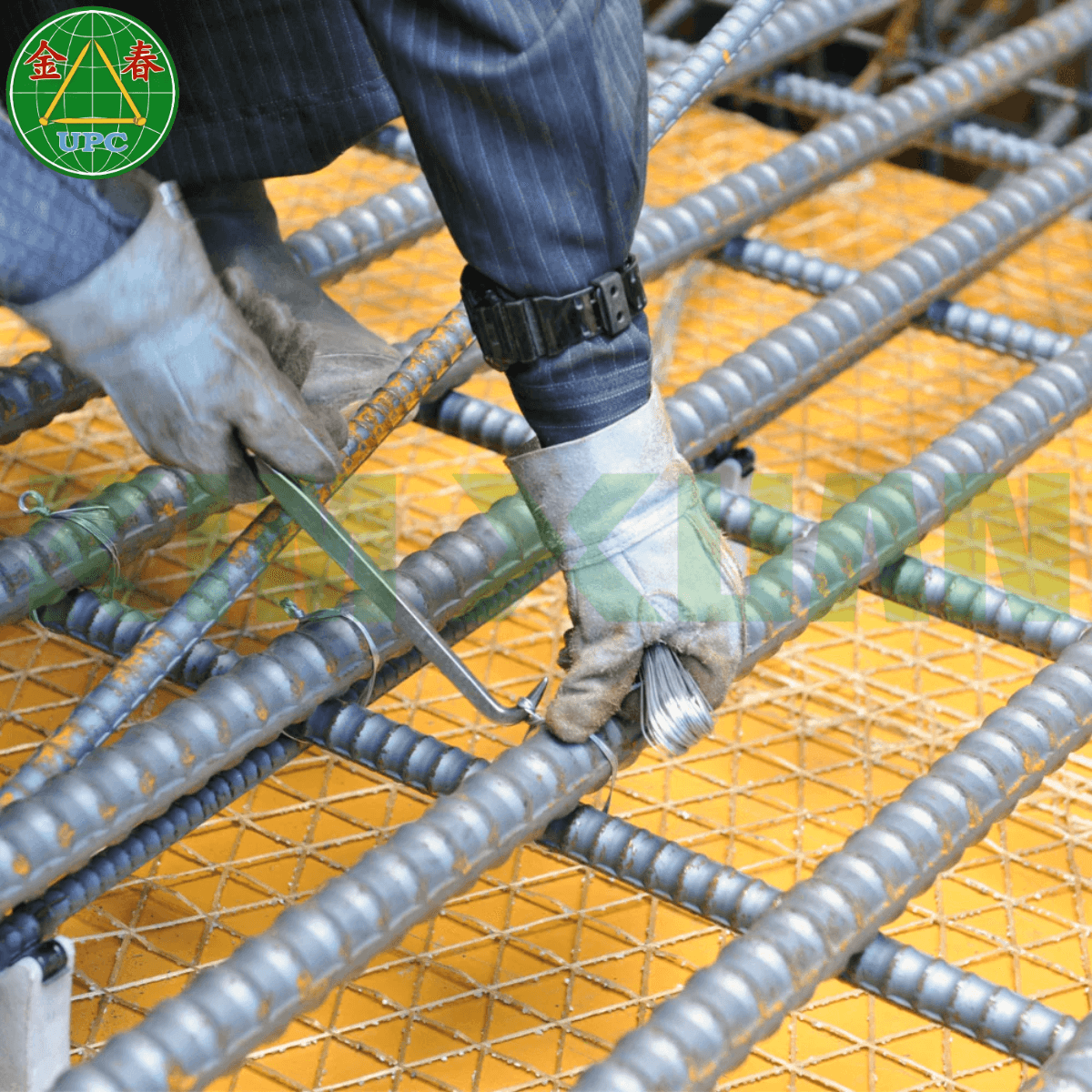
Binding wire plays a crucial role in keeping rebar, formwork, mesh, or bundled goods tightly secured. When it gives out:
Rebar shifts during concrete pouring
Formwork loses alignment
Welded mesh becomes unstable
Tied bundles loosen during transport
Even a few millimeters of movement in reinforced concrete can affect final structural strength.
How premium binding wire solves it
Premium binding wire 9G–12G uses high-carbon steel, controlled annealing, and accurate wire drawing processes to maintain stable tensile strength.
Benefits include:
consistent grip
higher load resistance
ties that stay locked over time
reduced breakage during installation
With premium binding wire, every tie holds firmly — even in heavy construction environments.
Problem 2: High Brittleness → Excessive Breakage During Tying
Cheap binding wire often becomes too brittle because of poor annealing or excessive impurities in the steel.
Result: The wire snaps repeatedly during twisting.
Why this causes delays and cost overruns
Every break interrupts workflow:
workers redo ties
productivity drops
wire consumption increases
project timelines extend
On large jobs (bridges, factories, high-rise buildings), even a 3–5% break rate becomes a big financial burden.
Premium wire advantage
Premium binding wire—especially properly annealed 9G–12G—balances:
flexibility
durability
elasticity
It bends smoothly without breaking, allowing steel fixers to work faster and more comfortably.
Problem 3: Inconsistent Diameter → Misshaped Ties & Weak Holding Force
One of the hidden problems in low-quality binding wire is diameter inconsistency.
For example, a cheap 9G wire may vary between 3.5 mm and 4.2 mm along the same coil. This causes:
uneven strength
difficulty twisting
reduced clamping force
messy knot appearance
unpredictable behavior under load
Why consistency matters
Diameter directly affects tie security. Irregular wire means:
some points weaken the bond
some points are too thick to twist
workers spend extra effort adjusting
How premium binding wire solves it
Premium binding wire is drawn through calibrated dies, ensuring:
uniform gauge from end to end
professional, clean tie finish
predictable holding performance
easier manipulation
Whether you choose binding wire 9G, 10G, 11G, or 12G, uniform thickness is essential for quality workmanship.
Problem 4: Poor Surface Treatment → Fast Rusting & Corrosion
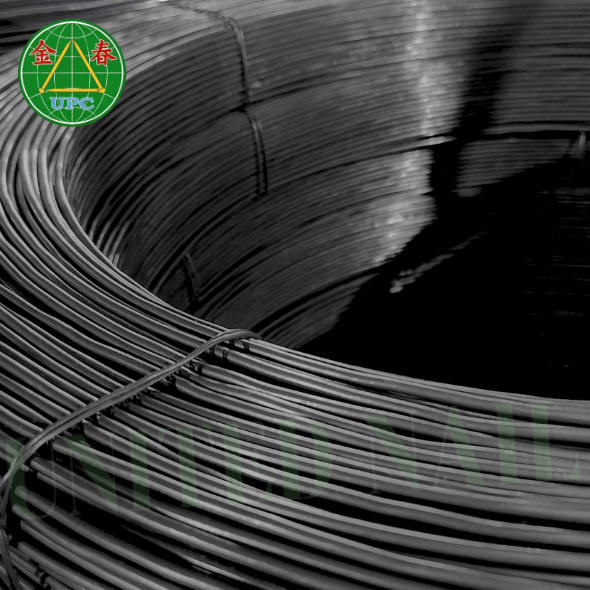
Corrosion is one of the biggest enemies of binding wire.
Low-quality wire oxidizes quickly because:
the steel has high impurities
the annealing process is uncontrolled
surface treatment is poor or absent
What corrosion causes
Rust reduces ductility and strength, and can stain surrounding materials. In reinforced concrete, rusted ties may even accelerate corrosion of rebar, reducing long-term structural durability.
In non-construction applications such as agriculture or packaging, corrosion:
weakens knots
damages products
shortens shelf life of bundled goods
Premium binding wire solution
Premium wire uses:
better steel
controlled annealing
clean surface finish
optional protective coatings
This keeps the wire resistant to corrosion, stable in outdoor environments, and reliable even in long-term storage.
Problem 5: Low Coil Uniformity → Tangled Wire & Wasted Time
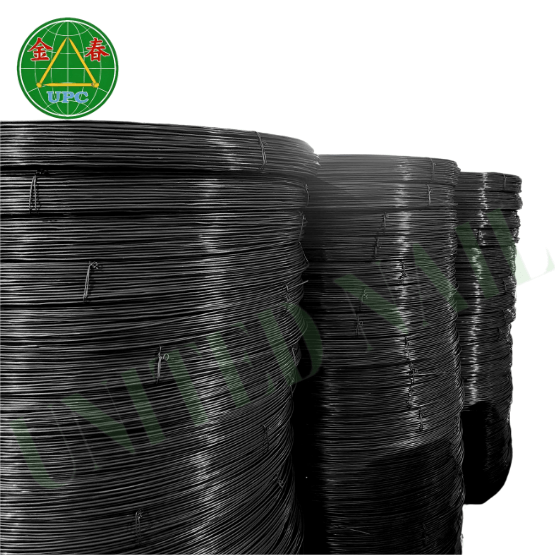
Low-quality binding wire often comes in poorly wound coils.
You’ve probably seen coils that:
tangle when pulled
trap inner loops
deform during transport
cause knots and drag points
Why this is costly
Workers waste time trying to fix the coil instead of tying steel.
A tangled coil reduces efficiency up to 25–40% in busy job sites.
Premium binding wire solves it
Premium coils are:
evenly wound
smooth to unroll
packaged to prevent deformation
consistent in weight and distribution
This ensures faster workflow and less frustration for steel fixers.
Why Choosing Premium Binding Wire 9G–12G Matters
Premium binding wire offers tangible, measurable advantages:
fewer breaks
stronger and cleaner ties
faster installation
improved safety
reduced labor cost
higher long-term structural reliability
In construction, every tie contributes to overall stability.
In packaging, every knot affects the integrity of the shipment.
In agriculture, every twist impacts durability under outdoor conditions.
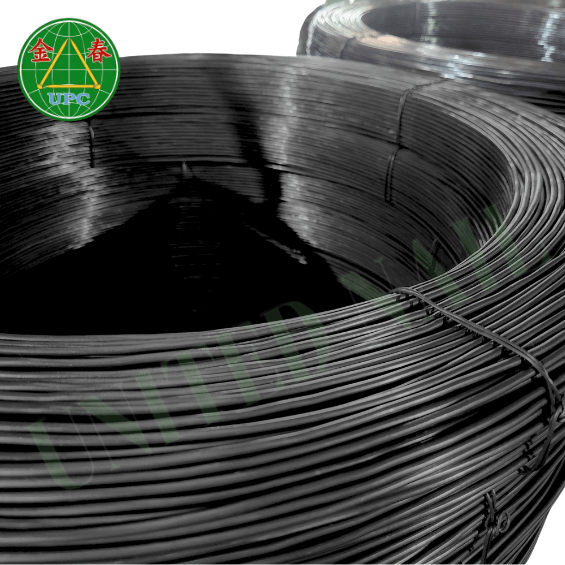
That is why premium binding wire 9G–12G is the choice for professionals who value consistency and safety.
Final Thoughts
Low-quality binding wire might look cheaper at first glance, but the hidden costs — delays, breakage, safety risks, and structural issues — make it far more expensive in the long run.
By choosing premium binding wire, you ensure:
smoother workflow
higher productivity
stronger ties
better protection for your materials and structures
Whether you are tying rebar, bundling materials, or securing agricultural products, premium binding wire 9G–12G delivers dependable performance every single day.
Contact Information
UNITED NAIL PRODUCTS CO., LTD
Specializing in high-quality nails and small coil wire production
Thank you for taking the time to read this article. We hope the information proves helpful to you.