


When you walk through a construction site or even glance at a bundle of rebar waiting to be installed, you might notice thin pieces of wire wrapped tightly around the steel bars. This wire may not look like much, but it plays an essential role in holding materials together and keeping projects safe. That simple material is called tie wire.
Although it may seem like a small detail, the type of tie wire you choose can have a big impact on your project’s success. From strength and flexibility to resistance against rust and weather, tie wire comes in several different forms, each with its own advantages. Understanding these options will help you make the best choice for your specific needs.
MỤC LỤC BÀI VIẾT
What Is Tie Wire?

Tie wire is a thin, flexible wire used to fasten or secure materials. Its most common use is in construction, especially for tying rebar (reinforcing steel bars) before concrete is poured. By holding the bars in place, tie wire ensures that the reinforcement stays strong and correctly positioned inside the concrete structure.
However, tie wire isn’t limited to rebar. It can also be used to bundle pipes, secure fencing, hold materials together temporarily, or even support plants in gardening. Its versatility makes it a go-to material in many industries, from construction and agriculture to manufacturing.
The Main Types of Tie Wire
Not all tie wire is created equal. Depending on your project, you’ll need to select from several common types:
1. Black Annealed Wire
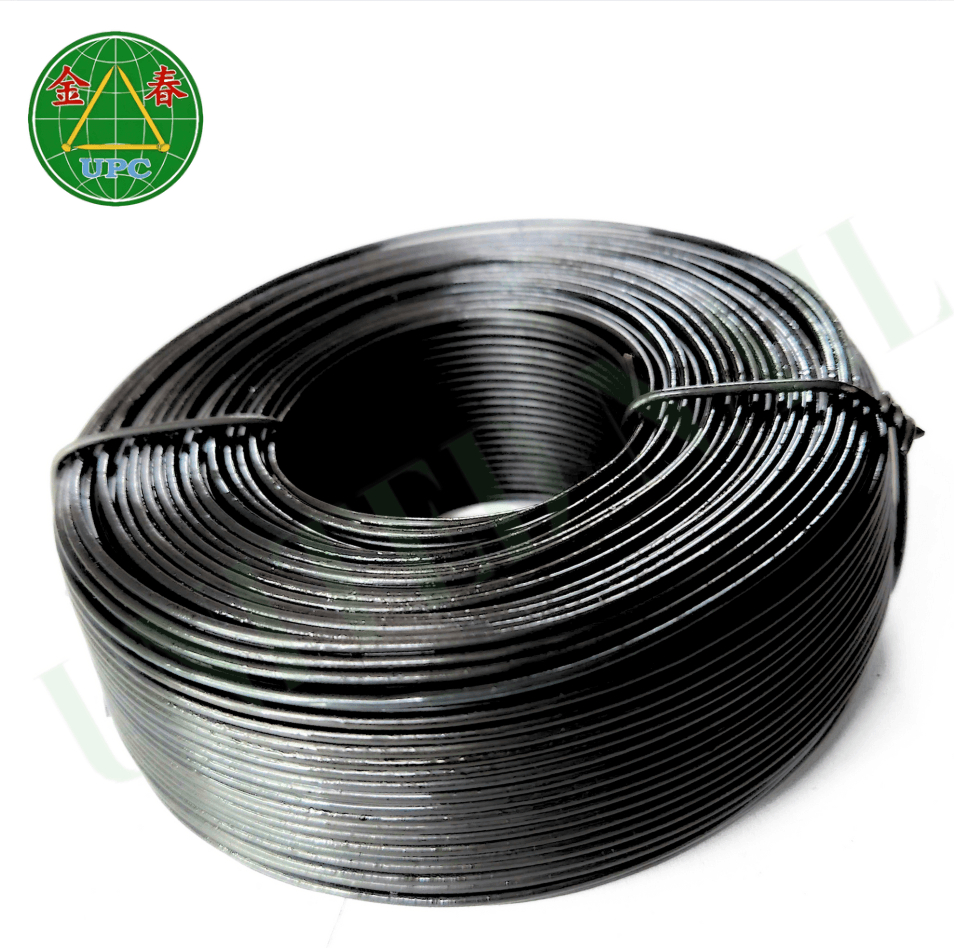
Description: Soft, flexible, and easy to twist.
Best For: General rebar tying, indoor use, and everyday applications.
Why Choose It: Its pliability makes it quick to work with, reducing strain for workers. It’s also the most affordable option.
Limitations: Susceptible to rust if exposed to moisture or outdoor conditions for long periods.
2. Galvanized Wire
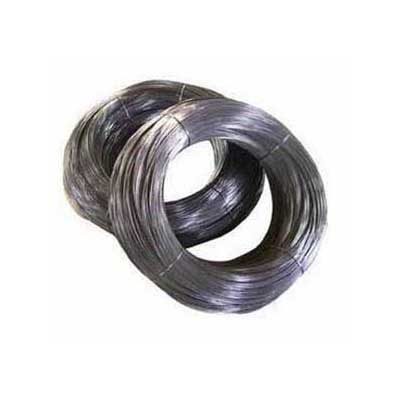
Description: Steel wire coated with a layer of zinc for corrosion resistance.
Best For: Outdoor construction, humid areas, or projects exposed to the elements.
Why Choose It: Longer-lasting than black annealed wire in wet environments. Helps prevent rust, which could weaken the wire over time.
Limitations: Slightly more expensive than black annealed wire and can be less flexible.
3. Stainless Steel Wire
Description: Made from stainless steel for maximum durability and resistance to rust.
Best For: Harsh environments, heavy-duty projects, or long-term installations.
Why Choose It: Offers the highest strength and longest lifespan, even in marine or chemical settings.
Limitations: More costly and harder to bend compared to other types.
4. PVC-Coated Wire (Optional)
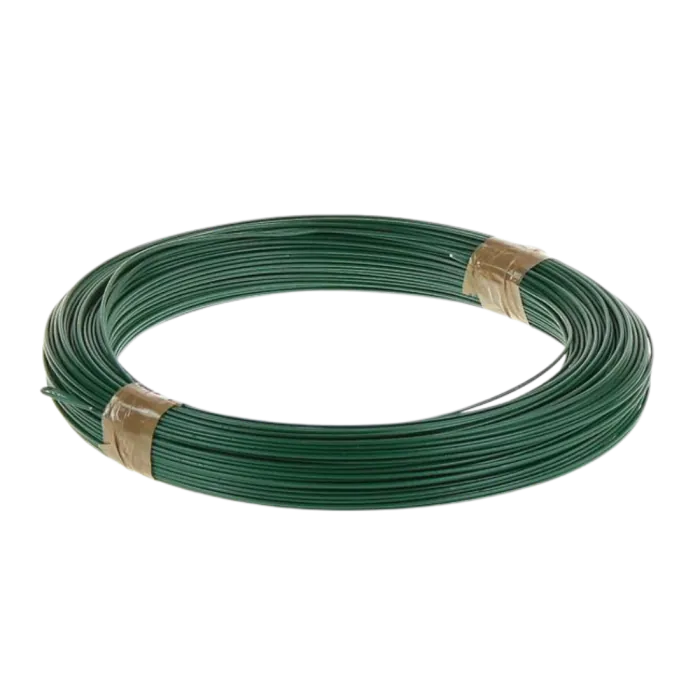
Description: Tie wire coated in plastic for added protection.
Best For: Projects where wires may be exposed to people or delicate materials, reducing scratches or rust stains.
Why Choose It: Provides both corrosion resistance and a smoother surface.
Limitations: Less common and generally used for specialized projects.
Factors to Consider When Choosing Tie Wire
To choose the right tie wire, you should look beyond just price. Here are the most important factors:
1. Environment
Will the wire be used indoors or outdoors? If it’s indoors, black annealed wire is usually sufficient. For outdoor or damp conditions, galvanized or stainless steel is better.
2. Strength Needs
If your project requires strong, long-lasting fastening—such as in bridges, marine environments, or heavy concrete structures—stainless steel tie wire is worth the investment.
3. Flexibility and Ease of Use
For quick tying on busy job sites, soft black annealed wire saves time and effort. Workers can twist it easily with pliers or automatic rebar tiers.
4. Budget
Black annealed is the cheapest, galvanized sits in the middle, and stainless steel is the most expensive. Choosing wisely can balance cost and durability.
5. Project Duration
For temporary structures, cheaper options may work fine. But for permanent or long-term projects, durability matters much more.
Common Applications of Tie Wire
Tie wire is more versatile than many people realize. Some of its most common uses include:
Rebar Tying: The primary use in construction. Tie wire secures rebar in place before concrete pouring.
Bundling Materials: Pipes, cables, and steel rods can be neatly tied together for transport or storage.
Fencing: Used to attach fencing mesh to posts or reinforce wire fencing.
Temporary Fixes: Quick fastening for materials that need to stay in place temporarily.
Gardening: In some cases, soft tie wire is used to support plants or secure stakes.
Tips for Working with Tie Wire

Even if you have the right type of tie wire, using it correctly will make a big difference:
Use the Right Tools: Pliers or rebar tying tools help twist wire quickly and securely.
Don’t Overtighten: Pulling wire too tightly can weaken it or cause it to snap.
Wear Gloves: Tie wire can have sharp ends, so protective gloves prevent cuts.
Cut Cleanly: Always cut excess wire neatly to avoid hazards on the job site.
Store Properly: Keep wire dry to avoid rusting, especially with black annealed types.
Why the Right Choice Matters
It may be tempting to go for the cheapest option, but that’s not always the best decision. Choosing the wrong tie wire can lead to problems such as:
Premature rusting, weakening the structure
Increased labor time if the wire is too stiff
Higher long-term costs if repairs or replacements are needed
On the other hand, selecting the right type improves safety, saves time, and reduces costs in the long run. It ensures that your rebar, fencing, or bundled materials stay secure under the conditions they face.
Conclusion
Tie wire might be small, but its importance in construction and other industries is huge. With options like black annealed, galvanized, stainless steel, and PVC-coated tie wire, you have choices to match every project’s needs. By considering the environment, required strength, budget, and project duration, you can select the best wire for the job.
The right tie wire doesn’t just hold materials together—it supports the success, safety, and durability of your entire project. Next time you plan a job, don’t overlook this little detail. Choosing wisely could make all the difference.
Contact information
UNITED NAIL PRODUCTS CO., LTD
Specializing in manufacturing high quality industrial nails and tie wire
Address: 16A8, Tra Noc Industrial Zone 1, Tra Noc Ward, Binh Thuy District, Can Tho City, VietNam
Phone: (+84) 986 831838; (+84) 292 242165
Email: sales5@unitednail.com
Thank you for reading this article, hope the information is useful to you.