


In wood construction, the strength and durability of a structure depend not only on the quality of the timber but also on the effectiveness of the fastening system. Among the many fasteners available, common nails remain one of the most trusted and widely used solutions. Their simple design, combined with strong mechanical performance, makes them essential for a wide range of structural applications.
One of the key reasons builders continue to rely on common nails is their reliable holding power. Whether used in framing, sheathing, or general carpentry, these nails create secure connections that help maintain the integrity of wooden structures over time. This article explores how common nails achieve strong holding power and why they are a preferred choice in wood construction.
MỤC LỤC BÀI VIẾT
Understanding Holding Power in Wood Fastening

Holding power refers to the ability of a fastener to resist withdrawal and maintain a firm grip within the material. In wood construction, this means the nail must stay securely embedded in the wood despite forces such as:
- Structural loads
- Vibration
- Wood movement due to moisture changes
- External impacts
There are two primary forces involved:
- Withdrawal resistance – the nail’s ability to resist being pulled out of the wood
- Shear strength – the nail’s ability to withstand lateral forces without breaking
Common nails are specifically designed to perform well in both aspects, making them suitable for structural applications.
The Role of Shank Diameter
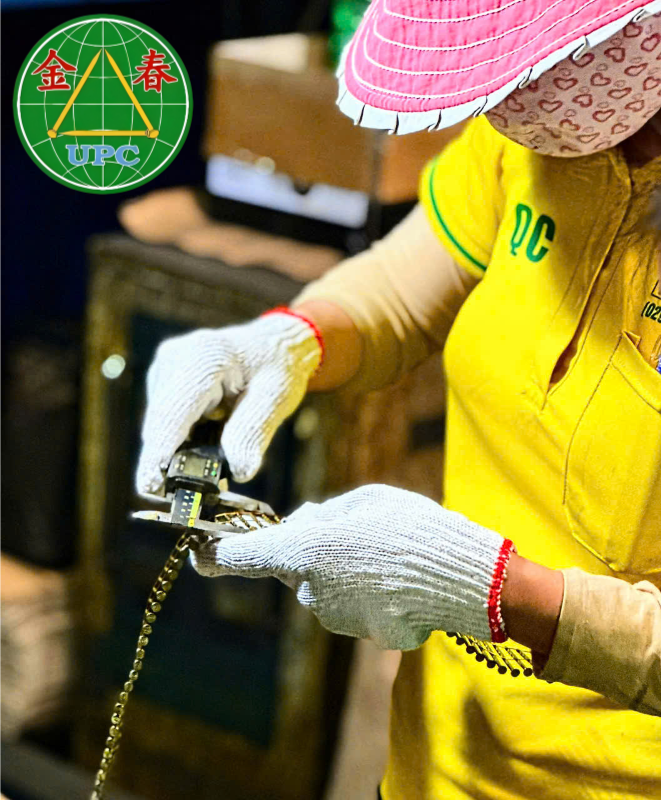
One of the most important features contributing to the holding power of common nails is their thick shank.
A thicker shank increases the surface area in contact with the wood fibers. When the nail is driven into wood, the surrounding fibers compress and grip the shank tightly. This friction creates strong resistance against withdrawal.
Additionally, the robust diameter enhances the nail’s ability to withstand shear forces, which are common in structural connections such as framing joints. This makes common nails particularly effective in load-bearing applications.
Friction and Fiber Compression
When a common nail is driven into wood, it does not simply slide into place—it actively interacts with the wood fibers.
The sharp point of the nail cuts through the fibers, while the shank forces them outward. As the fibers attempt to return to their original position, they press tightly against the nail. This process creates frictional resistance, which is a major contributor to holding power.
The denser the wood, the stronger this gripping effect becomes. In hardwoods, the compression of fibers around the nail can significantly increase withdrawal resistance.
Importance of Nail Length
Another critical factor in achieving reliable holding power is the length of the nail.
Longer nails penetrate deeper into the wood, increasing the contact area between the nail and the material. This deeper embedment results in greater friction and improved resistance to pull-out forces.
In structural applications, a general guideline is that the nail should penetrate the base material by at least two-thirds of its length. This ensures a secure and stable connection between components.
Head Design and Clamping Force
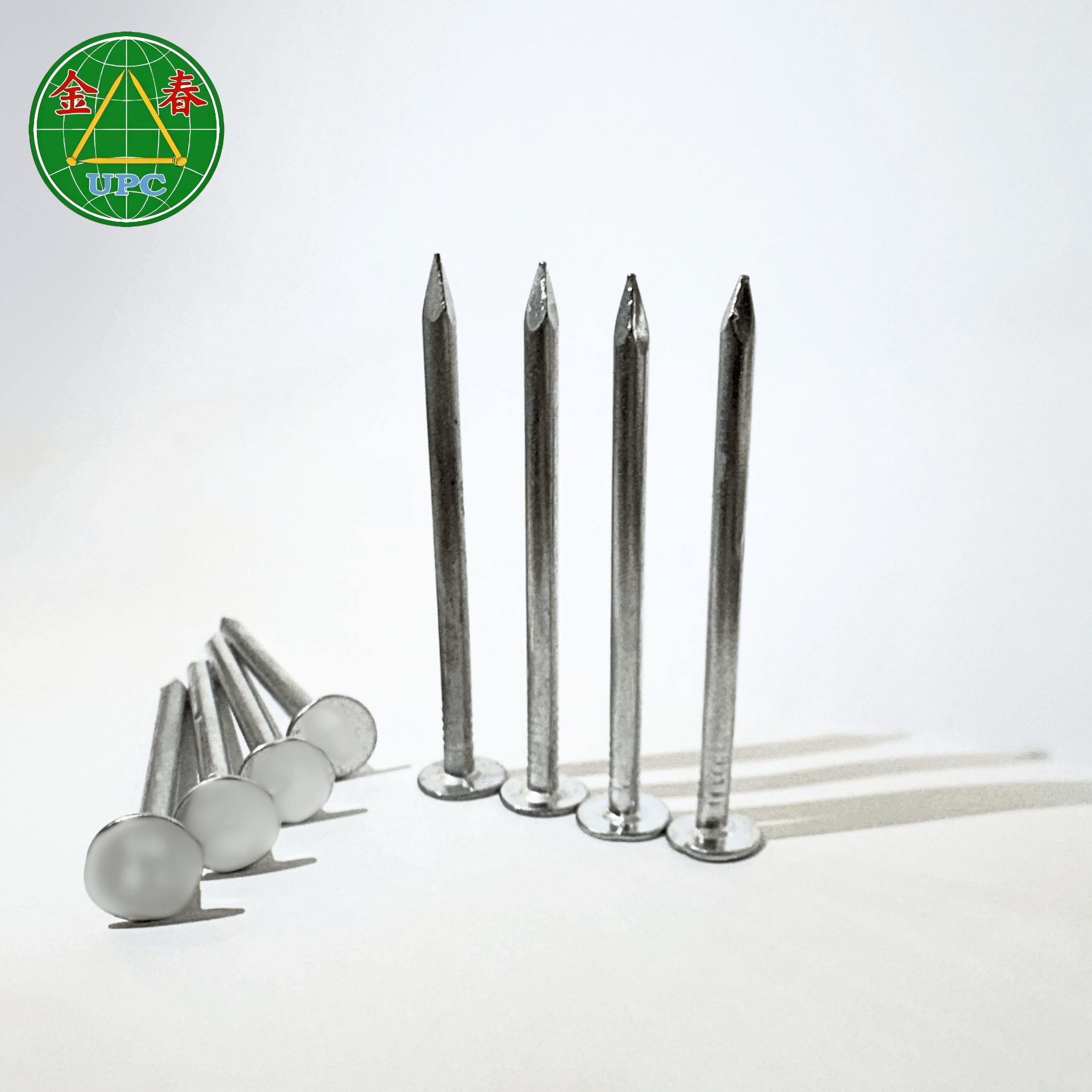
Common nails feature a flat, wide head, which plays an important role in holding materials together.
The head acts as a clamp, pressing the top material firmly against the underlying surface. This prevents separation between components and helps distribute loads more evenly across the joint.
In applications such as sheathing or subfloor installation, the flat head ensures that panels remain tightly secured, reducing movement and improving overall structural performance.
Shear Strength in Structural Applications
In many wood construction scenarios, nails are subjected to shear forces rather than direct pull-out forces. For example, in wall framing, the weight of the structure creates lateral stress on the nails connecting studs and plates.
Common nails are well-suited for these conditions because of their solid steel construction and thick shank, which provide excellent shear strength. This allows them to maintain joint stability even under heavy loads.
Their ability to resist bending and breaking under stress is a key reason they are widely used in structural framing.
Performance in Different Wood Types
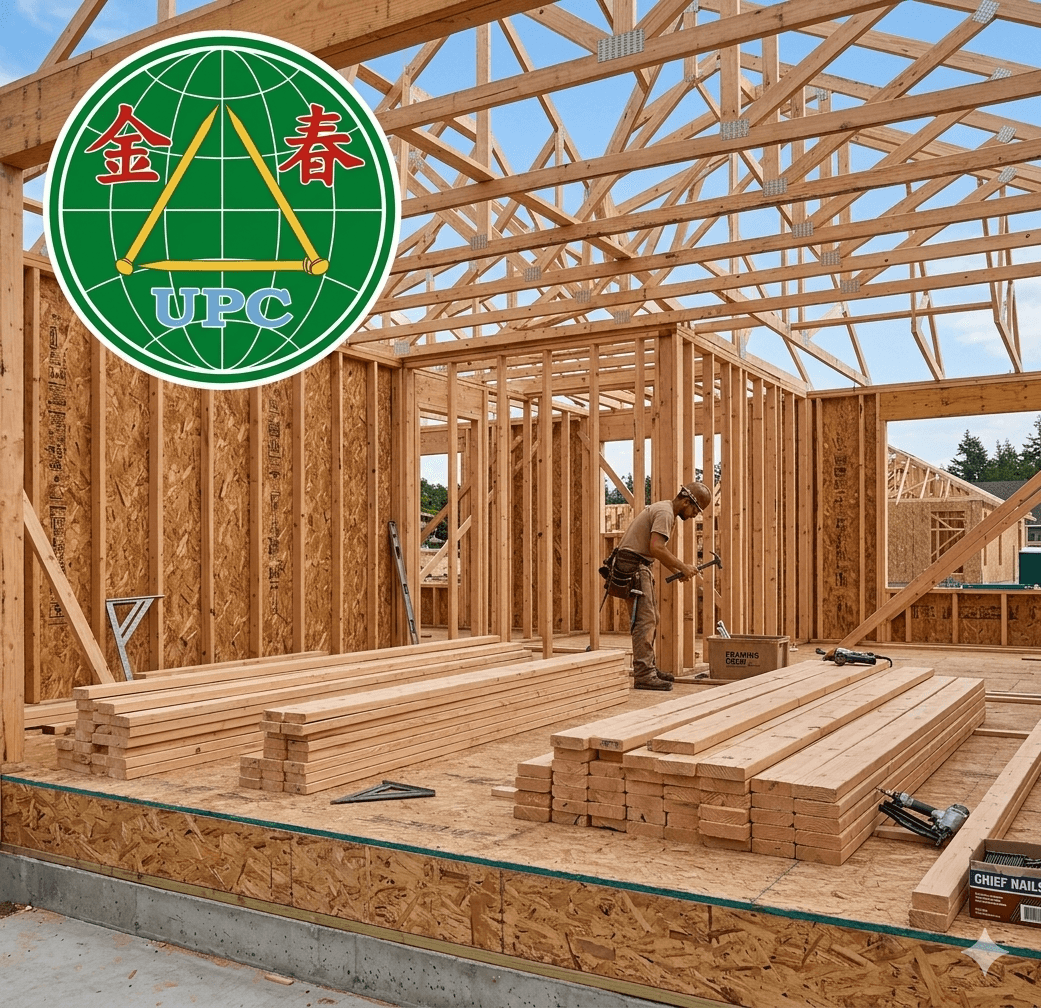
The effectiveness of common nails can vary depending on the type of wood used in construction.
Softwood
In softwoods such as pine or spruce, nails penetrate easily and still achieve strong holding power due to fiber compression. These materials are commonly used in residential framing, making common nails an ideal choice.
Hardwood
In hardwoods, the denser structure provides even greater resistance to withdrawal. However, driving nails into hardwood may require more force or pre-drilling to avoid splitting.
Engineered Wood
Materials like plywood and oriented strand board (OSB) are also commonly used in construction. Common nails perform well in these materials by anchoring securely across multiple layers of compressed wood fibers.
Surface Conditions and Coatings
While standard bright common nails offer strong holding power, certain surface treatments can further enhance their performance.
Galvanized Nails
Galvanized common nails are coated with zinc to resist corrosion. This is particularly important in outdoor or humid environments where rust could weaken the fastener over time.
Coated Nails
Some common nails feature special coatings that increase friction during installation. These coatings can improve withdrawal resistance by creating additional bonding between the nail and the wood.
Selecting the appropriate finish helps ensure long-term reliability, especially in demanding environments.
Proper Installation Techniques
Even the highest-quality nails will not perform effectively without proper installation. To maximize holding power, builders should follow best practices:
- Drive nails straight to ensure even distribution of forces
- Avoid overdriving, which can damage the wood or reduce clamping force
- Maintain proper spacing between nails to prevent wood splitting
- Use the correct nail size for the application
Correct installation ensures that the nail achieves full contact with the wood and performs as intended.
Comparison with Other Fasteners
While screws and specialized fasteners are also used in construction, common nails offer unique advantages in terms of holding power under certain conditions.
- Better performance under shear loads compared to many screws
- Faster installation, especially when using nail guns
- Cost efficiency for large-scale projects
Although screws may provide higher withdrawal resistance in some cases, common nails are often preferred in structural framing because of their balance of strength, flexibility, and speed of use.
Real-World Applications
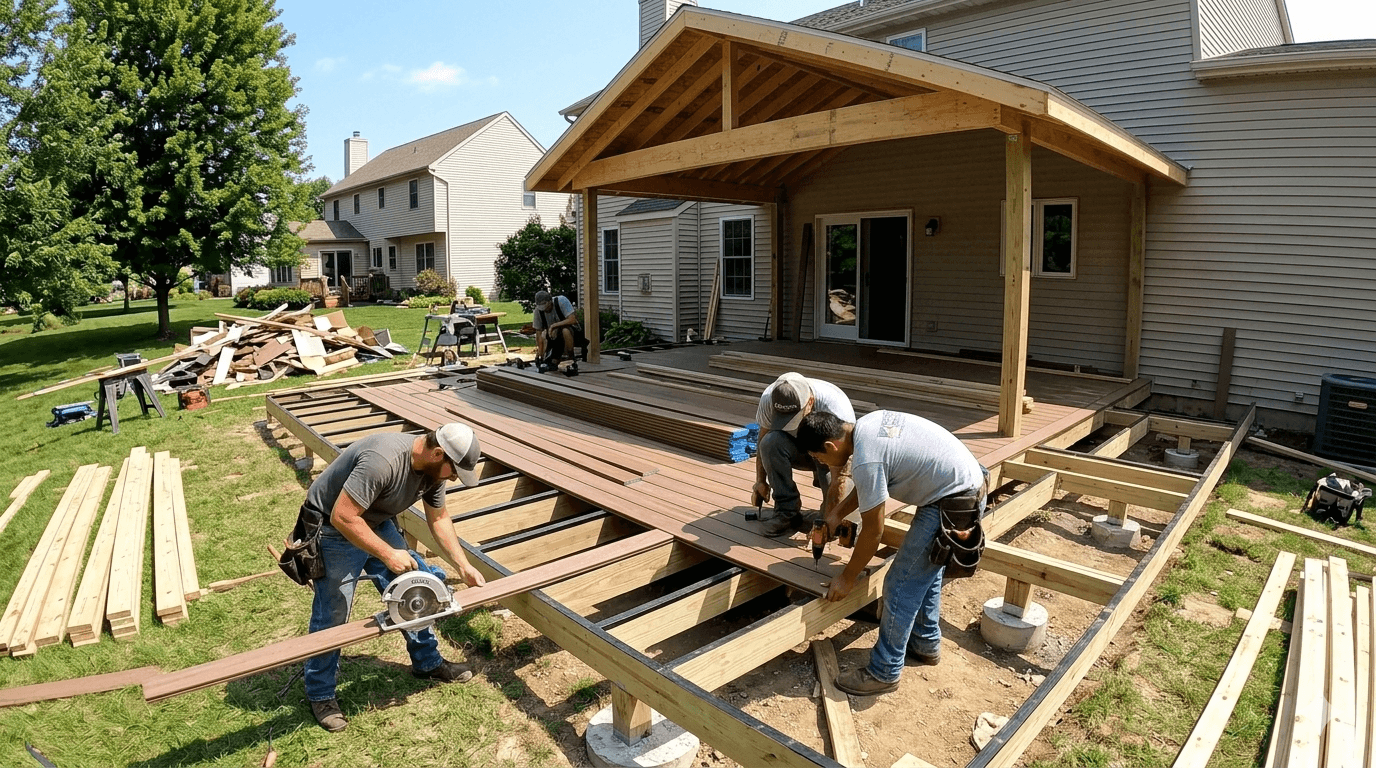
The reliable holding power of common nails makes them suitable for a wide range of wood construction tasks, including:
- Structural framing of walls and floors
- Roof decking installation
- Subfloor fastening
- Wall sheathing
- General carpentry
In each of these applications, the ability of the nail to maintain a secure connection is critical to the overall stability of the structure.
Conclusion
Common nails continue to be a fundamental component in wood construction due to their consistent and reliable holding power. Their thick shank, durable steel construction, and simple yet effective design allow them to create strong, lasting connections in a variety of applications.
By understanding the factors that contribute to holding power—such as shank diameter, nail length, friction, and proper installation—builders can make informed decisions when selecting fasteners for their projects.
In an industry where safety and durability are paramount, common nails remain a dependable choice. Their proven performance in both structural and non-structural applications ensures that they will continue to play a vital role in wood construction for years to come.
UNITED NAIL PRODUCTS CO., LTD
Specializing in high-quality nails and small coil wire production