


In residential construction, selecting the right fasteners is essential to ensure the durability, safety, and longevity of a structure. Among the many types of fasteners available today, common nails remain one of the most widely used and trusted options. Known for their strength, versatility, and cost-effectiveness, common nails are a staple in home building projects around the world.
From structural framing to simple carpentry tasks, these nails play an important role in securing wood components and maintaining the structural integrity of residential buildings. Understanding how and where common nails are typically used can help builders, contractors, and suppliers appreciate their importance in modern construction.
This article explores the top uses of common nails in residential construction, highlighting why they continue to be a preferred fastening solution for many building applications.
MỤC LỤC BÀI VIẾT
Understanding Common Nails

Common nails are traditional wire nails characterized by a thick shank, flat head, and sharp point. They are typically manufactured from high-quality steel wire and designed to provide strong holding power when driven into wood.
These nails are widely used in structural work because the thick shank offers excellent resistance to bending and shear forces. Their large, flat head also provides a secure surface for fastening materials tightly together.
Common nails are available in various sizes, typically ranging from 1 inch to 6 inches in length, allowing builders to choose the right nail for different applications in residential projects.
1. Wood Framing
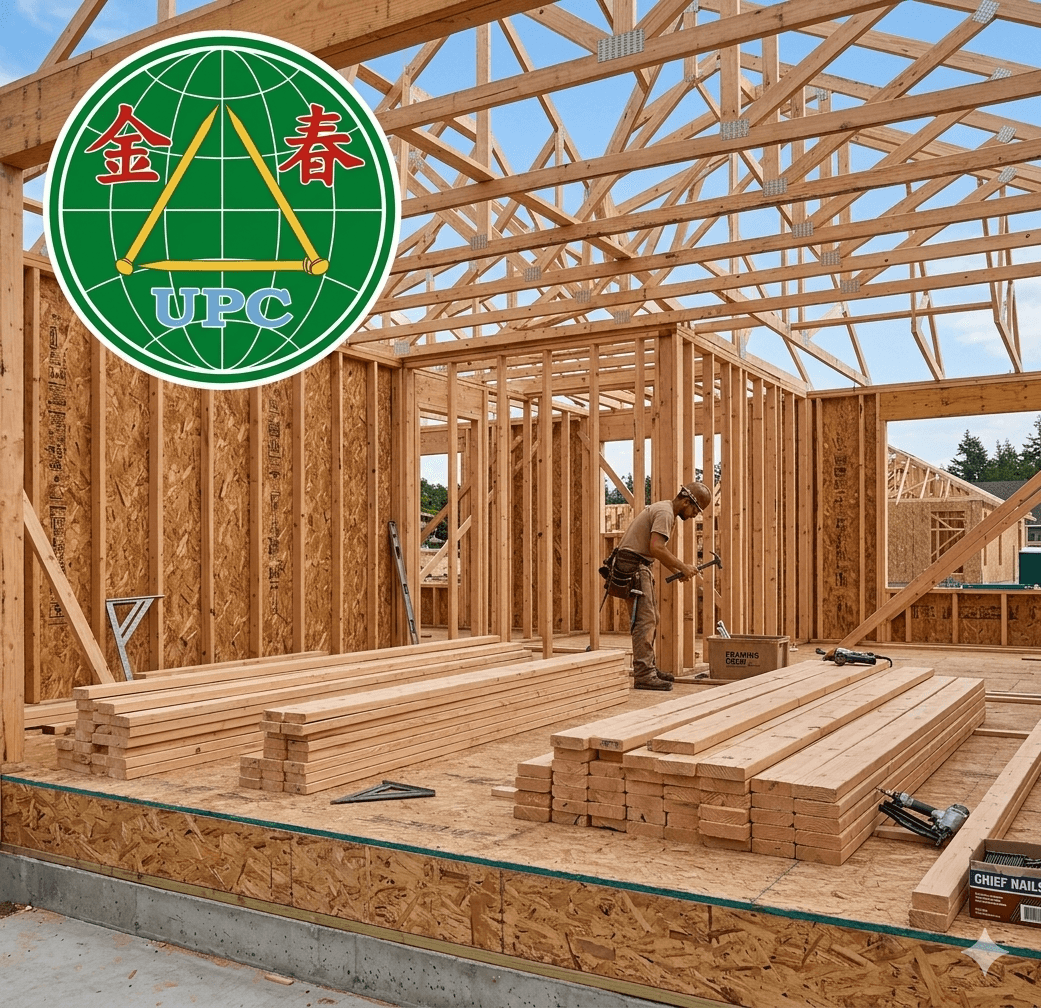
One of the most important uses of common nails in residential construction is wood framing. Framing forms the structural skeleton of a house, including walls, floors, and roof systems.
Common nails are widely used to join framing members such as:
Wall studs
Top and bottom plates
Floor joists
Ceiling joists
Structural beams
Because framing components must support significant loads, the fasteners used must provide strong holding power and durability. The thick shank of common nails ensures a tight grip in wood, helping maintain the structural stability of the building over time.
In many framing applications, larger nails such as 16d common nails are frequently used because they offer the strength required for heavy structural connections.
2. Subfloor Installation
Subfloors serve as the foundation for finished flooring materials such as hardwood, laminate, tile, or carpet. Proper installation is essential to prevent squeaking, shifting, or uneven surfaces.
Common nails are often used to secure plywood or oriented strand board (OSB) panels to floor joists during subfloor construction. Their strong grip helps keep the panels firmly attached, minimizing movement and improving the stability of the entire flooring system.
When subfloors are properly nailed with high-quality fasteners, they contribute to a quieter and more durable floor structure throughout the life of the home.
3. Roof Decking
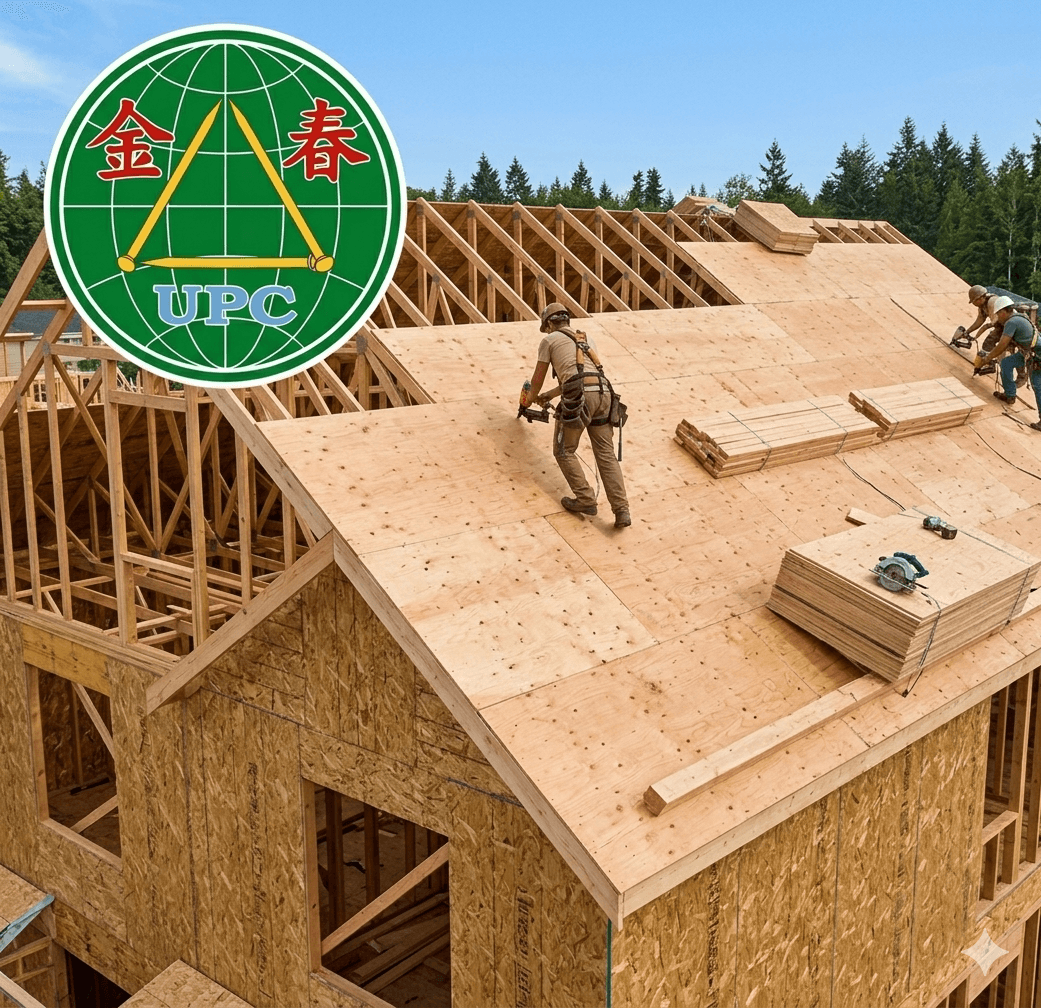
Roof decking is another critical area where common nails are commonly used. Roof decking typically consists of plywood or OSB panels installed over roof trusses or rafters to form the base layer for roofing materials.
During installation, contractors use nails to secure decking panels to the wooden framework beneath. Common nails provide reliable holding strength, helping ensure the decking remains firmly attached even under harsh weather conditions such as wind, rain, and temperature fluctuations.
Strong fastening at this stage is essential because roof decking must support roofing materials like shingles, metal panels, or tiles while protecting the interior of the home.
4. Exterior Wood Sheathing
Exterior wall sheathing is installed over the structural frame of a house to strengthen the wall assembly and provide a base for exterior finishes such as siding or brick veneer.
Common nails are often used to attach wood sheathing panels to wall studs. The strong shank helps secure the panels tightly, improving the overall rigidity of the wall system.
Properly installed sheathing contributes to the structural strength of the home and helps resist wind loads. Reliable fastening with durable nails ensures the building envelope remains stable and well-supported.
5. Deck and Porch Construction
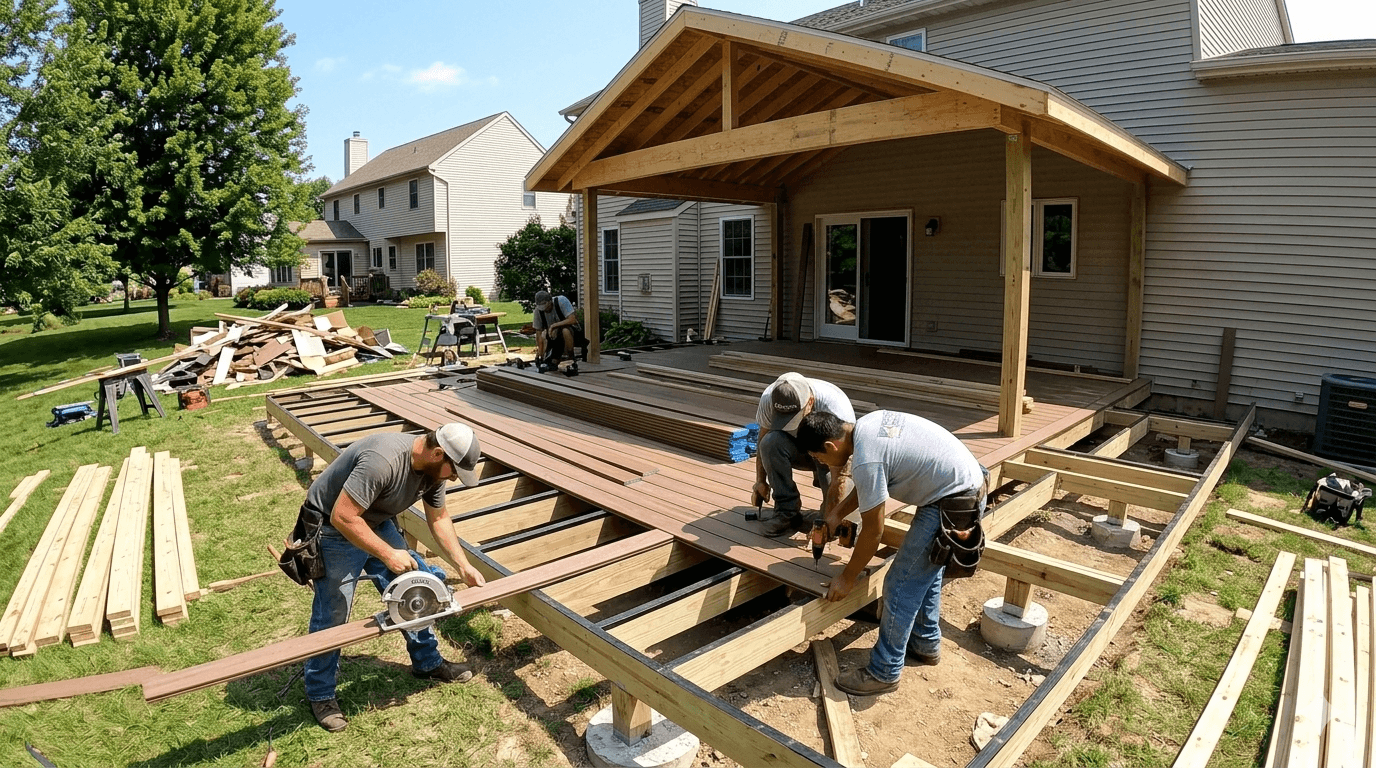
Outdoor living spaces such as decks and porches are common features in residential homes. These structures require strong fasteners capable of handling both weight and environmental exposure.
Common nails are frequently used in certain parts of deck construction, especially when fastening structural wood components like:
Deck framing
Support beams
Joists
In outdoor environments, galvanized common nails are often preferred because the protective coating helps resist rust and corrosion. This ensures the deck remains safe and structurally sound for years to come.
6. Wooden Fences and Garden Structures
Beyond the main house structure, common nails are also widely used in residential fences, pergolas, sheds, and other garden structures.
These outdoor projects typically involve wooden components that must be securely connected to withstand weather exposure and everyday use. Common nails provide an efficient and economical fastening solution for these applications.
Their strong holding power helps ensure that fences remain stable and that garden structures retain their shape and durability over time.
7. Pallet and Crate Construction for Building Materials
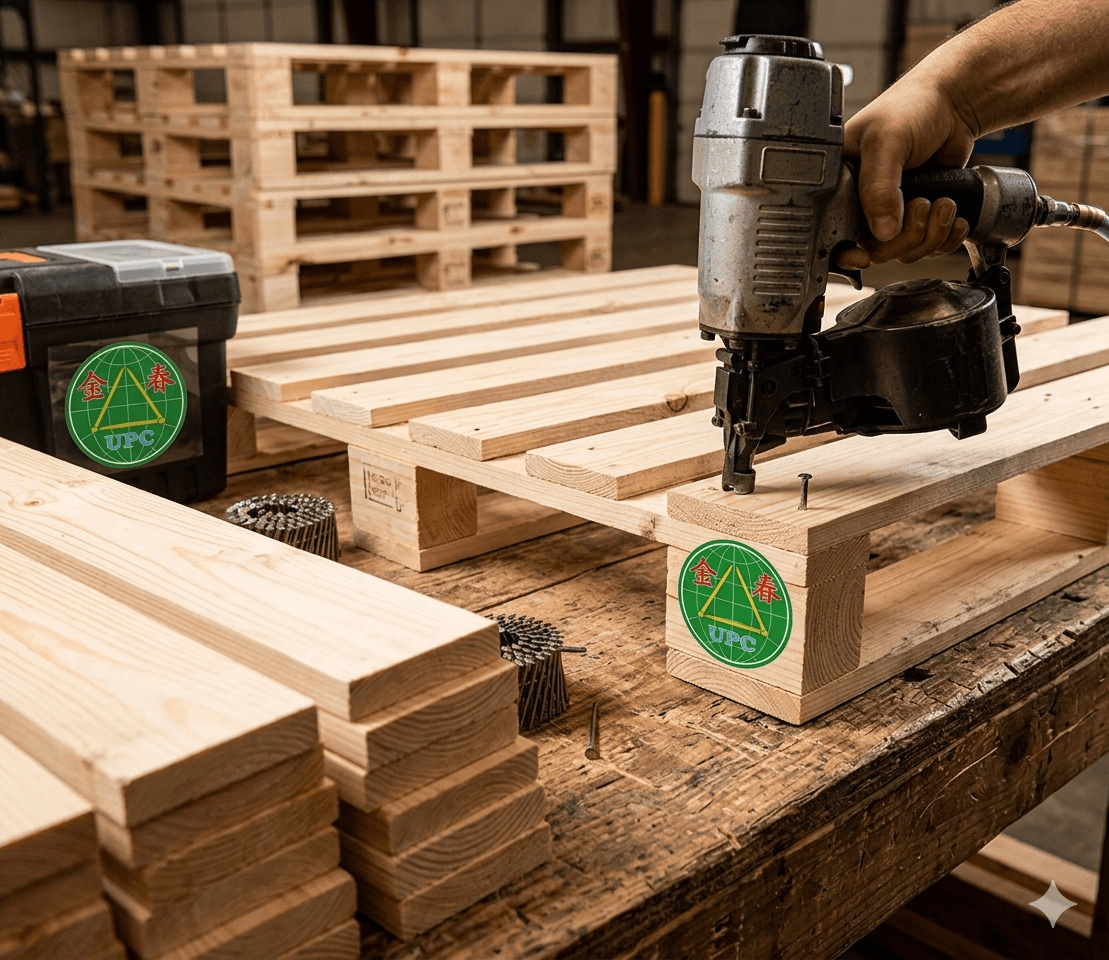
In residential construction projects, large quantities of building materials are often delivered to job sites. Many of these materials are transported using wooden pallets and crates, which are assembled using strong fasteners.
Common nails are frequently used in pallet manufacturing because they provide durability and can handle heavy loads during transportation and storage. Reliable pallet construction helps ensure that materials such as bricks, tiles, and lumber arrive safely at construction sites.
While this use may not be part of the house structure itself, it still plays an important role in supporting efficient residential construction operations.
8. General Carpentry and Woodworking
In addition to structural work, common nails are also useful for various general carpentry tasks in residential construction.
Examples include:
Temporary bracing during construction
Wood blocking installation
Basic woodworking projects
Utility structures around the home
Because they are widely available and easy to use, common nails are often kept on hand by carpenters and builders for many everyday tasks on construction sites.
Their versatility makes them a dependable fastening option for both large structural work and smaller carpentry applications.
Advantages of Using Common Nails
There are several reasons why common nails continue to be widely used in residential construction despite the availability of many other fasteners.
Strong Holding Power
The thick shank of common nails allows them to penetrate wood deeply and securely, providing excellent resistance to withdrawal and shear forces.
Durability
Manufactured from strong steel wire, common nails are designed to withstand the demands of construction environments and structural loads.
Versatility
Common nails can be used in many different applications, from framing and decking to general carpentry.
Cost-Effectiveness
Compared with specialized fasteners, common nails are generally more affordable, making them an economical choice for large construction projects.
Wide Availability
Because they are a standard product in the construction industry, common nails are readily available in a variety of sizes and finishes.
Choosing the Right Common Nail for the Job
Selecting the correct nail size and type is important for achieving optimal performance. Builders typically consider several factors when choosing nails for residential construction:
Length of the nail – Longer nails provide deeper penetration and stronger connections.
Diameter of the shank – Thicker nails offer greater strength and resistance to bending.
Material and coating – Galvanized nails are recommended for outdoor or moisture-prone environments.
Application requirements – Structural tasks often require larger nails than light carpentry work.
By selecting the appropriate nail specifications, contractors can ensure safe and reliable fastening throughout the construction process.
Conclusion
Common nails remain one of the most essential fasteners in residential construction. Their strength, reliability, and versatility make them suitable for a wide range of building applications.
From framing walls and securing roof decking to installing subfloors and building outdoor structures, common nails provide the dependable fastening solutions that builders rely on every day. Even as construction technologies continue to evolve, these traditional fasteners continue to play a vital role in home construction projects around the world.
For contractors, builders, and construction material suppliers, understanding the various uses of common nails helps ensure that the right fasteners are chosen for each task. With proper selection and installation, common nails contribute significantly to the safety, durability, and longevity of residential structures.
Contact Information
UNITED NAIL PRODUCTS CO., LTD
Specializing in high-quality nails and small coil wire production