


Tie wire is a small but essential component in construction, manufacturing, and various industrial applications. Though often overlooked compared to larger structural materials, tie wire plays a critical role in securing reinforcing bars, binding materials together, and maintaining structural stability during construction processes. The quality of tie wire directly affects its strength, durability, flexibility, and reliability in the field. One of the most important factors influencing these qualities is the selection of raw materials.
Producing premium tie wire begins long before the manufacturing process itself. It starts with choosing the right steel wire rod and ensuring that every stage of the supply chain meets strict quality standards. Raw material selection determines not only the physical properties of the final product but also the consistency, performance, and safety of tie wire in demanding construction environments.
MỤC LỤC BÀI VIẾT
Understanding Tie Wire and Its Applications

Tie wire is commonly used in construction to secure reinforcing bars (rebar) in concrete structures. Workers use it to bind steel bars together before pouring concrete, ensuring that the reinforcement remains in the correct position during the building process. Tie wire is also widely used in packaging, agriculture, fencing, and industrial binding tasks.
Because of these varied applications, tie wire must have a balance of strength and flexibility. It needs to be strong enough to hold materials securely, yet soft enough to be twisted and manipulated easily by hand or with tools. Achieving this balance is largely dependent on the quality of the raw steel used to manufacture the wire.
The Role of Steel Wire Rod in Tie Wire Production
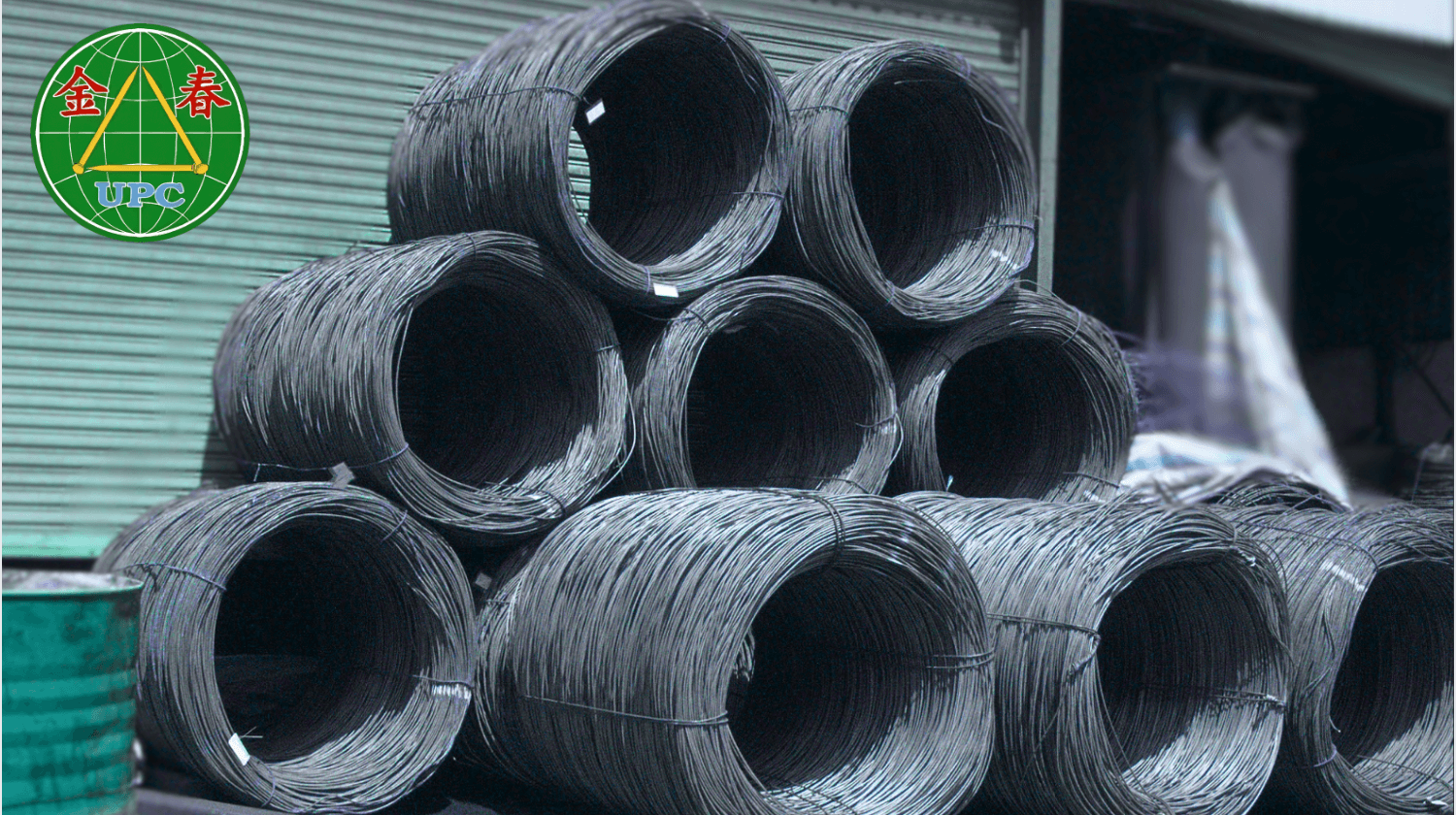
The primary raw material used to produce tie wire is low-carbon steel wire rod. This material undergoes multiple processes, including drawing, annealing, and coiling, to achieve the desired diameter and mechanical properties.
Low-carbon steel is preferred because it offers excellent ductility and flexibility. These characteristics allow the wire to be twisted repeatedly without breaking, which is essential for construction workers tying reinforcement bars quickly on-site. However, not all steel wire rods are equal. Variations in chemical composition, impurity levels, and manufacturing processes can significantly impact the final performance of tie wire.
Selecting high-quality steel wire rods ensures that the tie wire will meet important criteria such as consistent tensile strength, uniform diameter, smooth surface finish, and resistance to cracking during twisting.
Chemical Composition Matters
The chemical composition of the steel wire rod plays a major role in determining the performance of tie wire. The carbon content must be carefully controlled. If the carbon content is too high, the wire becomes too hard and brittle, making it difficult to bend or twist. If the carbon content is too low, the wire may lack sufficient strength to hold materials securely.
In addition to carbon, other elements such as manganese, sulfur, and phosphorus also influence the properties of the steel. Excessive levels of sulfur and phosphorus can weaken the wire and increase the likelihood of breakage during use. Therefore, manufacturers of premium tie wire carefully source raw materials that meet strict metallurgical standards.
By maintaining the proper chemical balance, manufacturers can produce wire that offers both flexibility and durability—two key characteristics required in construction environments.
Surface Quality and Cleanliness
Another critical aspect of raw material selection is the surface quality of the steel wire rod. Imperfections such as rust, scale, cracks, or contamination can affect the drawing process and lead to defects in the finished wire.
A smooth and clean surface allows the wire rod to be drawn into thinner diameters more efficiently during manufacturing. It also reduces friction in drawing dies and helps maintain consistent wire thickness throughout production.
Poor surface quality can result in weak spots or irregularities in the finished tie wire. These flaws may cause the wire to snap during twisting or fail under tension. For construction workers who rely on tie wire for daily tasks, such failures can slow down productivity and compromise safety.
High-quality raw materials ensure that the wire drawing process runs smoothly and that the final product maintains reliable performance.
Consistency and Uniformity in Production
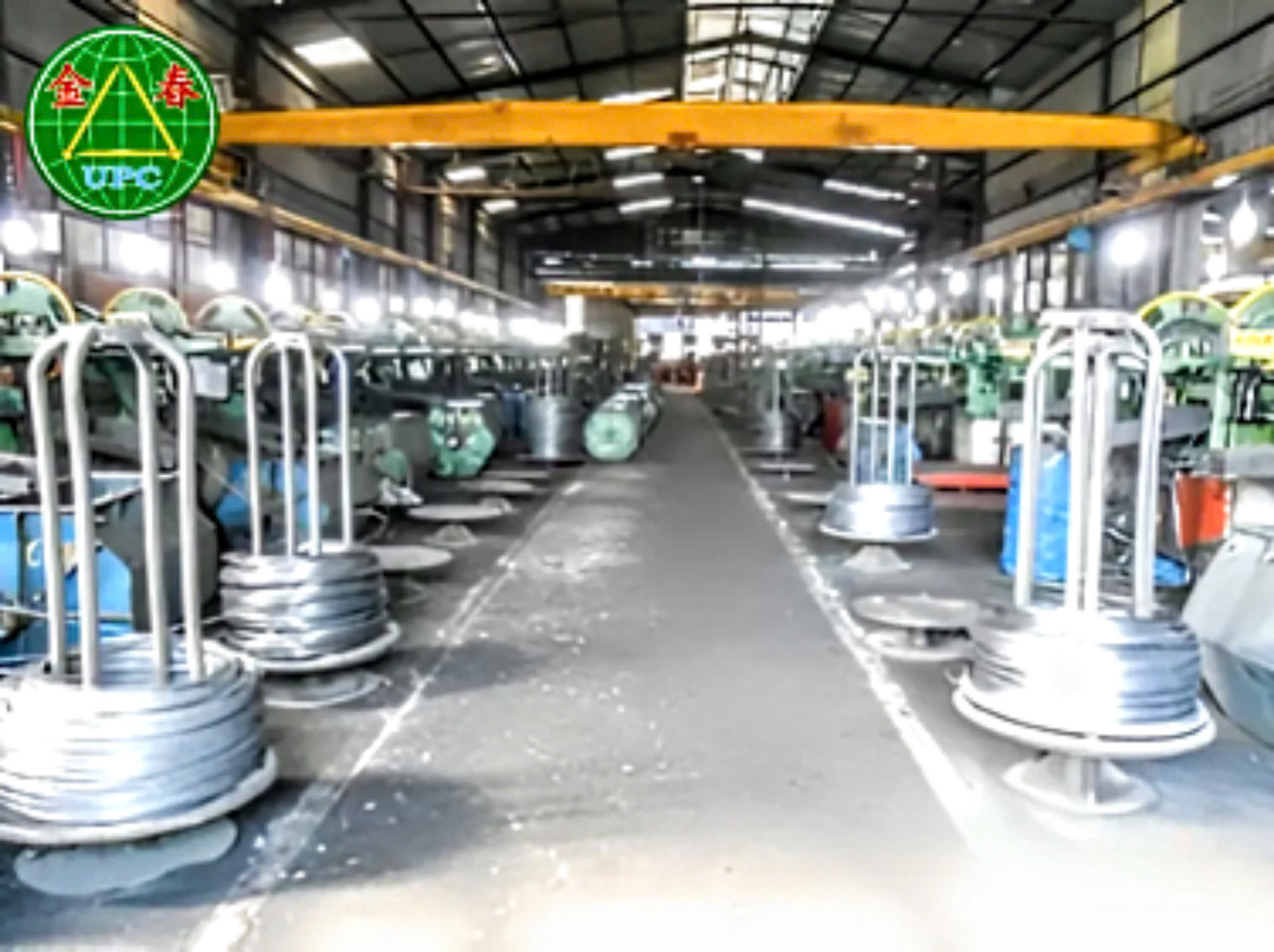
Consistency is a key requirement for manufacturers producing tie wire at a commercial scale. Large construction projects require thousands of coils or bundles of tie wire, and each unit must perform the same way as the next.
When raw materials are inconsistent, manufacturers face difficulties maintaining uniform wire diameter, tensile strength, and flexibility. Variations in the raw steel can lead to uneven drawing behavior, resulting in wires that differ in strength or thickness.
By sourcing steel wire rods from trusted suppliers and conducting strict quality inspections, manufacturers can maintain stable production conditions. Consistent raw materials allow for better process control, reduced waste, and improved product reliability.
For contractors and distributors, consistent tie wire quality means fewer problems on job sites and greater confidence in the materials they use.
The Importance of Annealing Compatibility
Annealing is a crucial step in producing high-quality tie wire, especially black annealed tie wire commonly used in construction. During the annealing process, the wire is heated in controlled conditions to soften the steel and improve flexibility.
The effectiveness of annealing depends heavily on the quality of the raw material. Steel with the correct chemical composition and microstructure responds well to heat treatment, producing wire that is soft, ductile, and easy to twist.
If the raw material contains impurities or has inconsistent properties, the annealing process may not produce uniform results. Some sections of wire may remain too hard, while others may become excessively soft. This inconsistency can cause problems during installation and reduce the reliability of the wire.
Careful raw material selection ensures that the annealing process produces consistent mechanical properties across every coil of tie wire.
Impact on Durability and Performance
Premium tie wire must withstand various environmental conditions during transportation, storage, and use. Construction sites often expose materials to moisture, temperature fluctuations, and physical handling.
High-quality raw materials contribute to improved durability by ensuring that the wire has strong internal structure and resistance to fatigue. This durability is particularly important when wire is twisted tightly around reinforcement bars or subjected to repeated bending.
Tie wire produced from superior raw materials is less likely to break during installation, reducing material waste and preventing delays in construction activities. Reliable performance also improves worker efficiency, as laborers can tie reinforcement bars quickly without worrying about wire failure.
Quality Control from the Beginning
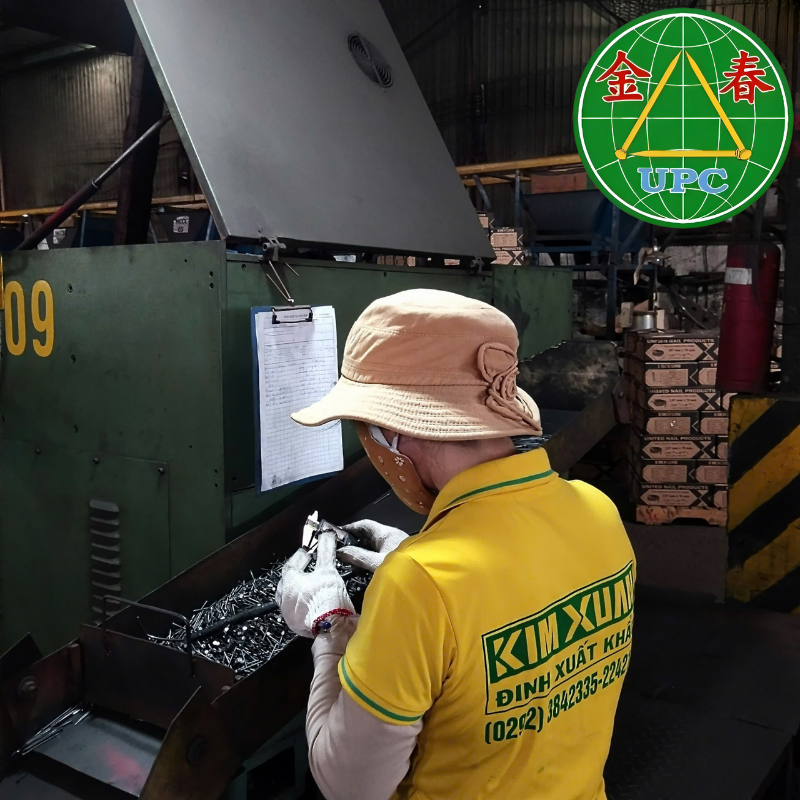
Manufacturers who aim to produce premium tie wire understand that quality control must begin at the raw material stage. This involves working with reputable steel suppliers, verifying material certificates, and conducting independent testing to confirm chemical composition and mechanical properties.
Incoming raw materials may be inspected for diameter accuracy, surface condition, and metallurgical consistency before entering the production line. By implementing these checks early in the process, manufacturers can prevent defective materials from affecting the final product.
This proactive approach not only improves product quality but also strengthens the manufacturer’s reputation in the global market.
Supporting Global Construction Standards
Modern construction projects demand materials that meet international quality standards. Builders, contractors, and distributors increasingly expect tie wire products to meet strict specifications for strength, reliability, and safety.
Selecting high-grade raw materials allows manufacturers to produce tie wire that complies with global construction requirements. This is particularly important for exporters supplying products to markets in North America, Europe, and other regions with rigorous quality expectations.
By investing in superior raw materials, manufacturers can ensure that their tie wire products meet these standards while delivering consistent performance across large-scale projects.
Sustainability and Responsible Sourcing

Raw material selection also has implications for environmental responsibility. Steel production is energy-intensive, and manufacturers are becoming more conscious of sourcing materials from suppliers that follow sustainable practices.
Responsible sourcing may include working with steel mills that implement energy-efficient production methods, recycling steel materials, and reducing emissions during manufacturing.
Using high-quality raw materials can also reduce waste during production. When materials meet strict specifications, fewer defects occur during wire drawing and annealing processes, leading to improved resource efficiency.
Conclusion
The production of premium tie wire depends on many factors, including advanced manufacturing processes, skilled technical expertise, and strict quality control systems. However, one of the most fundamental elements of success is the careful selection of raw materials.
High-quality steel wire rods provide the foundation for producing tie wire with consistent strength, flexibility, and durability. Proper chemical composition, smooth surface condition, and reliable metallurgical properties ensure that the wire performs effectively in demanding construction environments.
Manufacturers that prioritize raw material quality can produce tie wire that meets global standards, supports efficient construction practices, and builds long-term trust with customers worldwide. In an industry where even the smallest components play a vital role, the importance of selecting the right raw materials cannot be overstated.
Contact information
UNITED NAIL PRODUCTS CO., LTD
Address: 16A8, Tra Noc Industrial Zone 1, Tra Noc Ward, Binh Thuy District, Can Tho City, VietNam
Phone: (+84) 986 831838; (+84) 292 242165
Email: sales5@unitednail.com
Thank you for reading this article, hope the information is useful to you