


In the global steel wire market, tie wire may seem like a simple product—thin, flexible, low-cost, and often purchased in bulk. But behind every coil of tie wire is a full manufacturing system involving raw material control, annealing furnaces, drawing machines, packaging lines, labor allocation, and strict export timelines. For importers, distributors, and construction supply companies, understanding a supplier’s production capacity is one of the most important factors in evaluating a tie wire manufacturer. It determines not only whether the seller can meet your volume, but also whether they can maintain quality, consistency, delivery stability, and competitive pricing.
Exporters in countries like Vietnam, China, India, and Turkey often face the same misunderstandings and repeated questions from international buyers. Many buyers focus only on the price per kg, without realizing that the capacity behind the factory directly influences the reliability of the entire supply chain. This article explains what exporters wish every buyer understood about tie wire production capacity—how it is calculated, what affects it, and why it matters more than most importers realize.
MỤC LỤC BÀI VIẾT
Production Capacity Is Not Only About Machine Count

A common misconception among importers is that production capacity equals the number of drawing machines or furnaces a supplier owns. Exporters want buyers to know: capacity is a combination of equipment, efficiency, and operation stability, not just raw hardware.
Key Elements That Actually Determine Capacity:
Number and size of wire drawing machines
Annealing furnace capacity per cycle
Availability and quality of raw materials (wire rod)
Skill and size of the production team
Factory operating hours (1 shift vs. 2 shifts vs. 3 shifts)
Packaging throughput (coil winding, bundling, labeling)
A factory with 20 old machines can produce less than a factory with 8 modern machines. Likewise, a supplier running a single 8-hour shift will never match the output of one running 24/7.
The Real Bottleneck: Annealing, Not Drawing
Drawing the wire down to specific diameters (0.8 mm – 1.6 mm depending on the region) is not the biggest bottleneck in tie wire production. Exporters repeatedly find themselves explaining this to buyers.
The annealing furnace—the equipment that softens steel wire through controlled heat treatment—is the true limiting factor.
Why Annealing Matters:
Determines softness and flexibility
Affects the color (black annealed, grey annealed, super soft)
Impacts the wire’s ability to be tied without breaking
Ensures even microstructure and reduces brittleness
Even if the drawing machines can produce 200 tons per week, the furnaces might only be able to anneal 100–150 tons. Therefore, the true output is capped by the annealing step. Many buyers only learn this after placing large orders and asking: “Why can’t we get 500 tons per month?”
Exporters want buyers to understand the constraint so they can forecast and plan better.
Typical Capacity Ranges in Major Export Countries
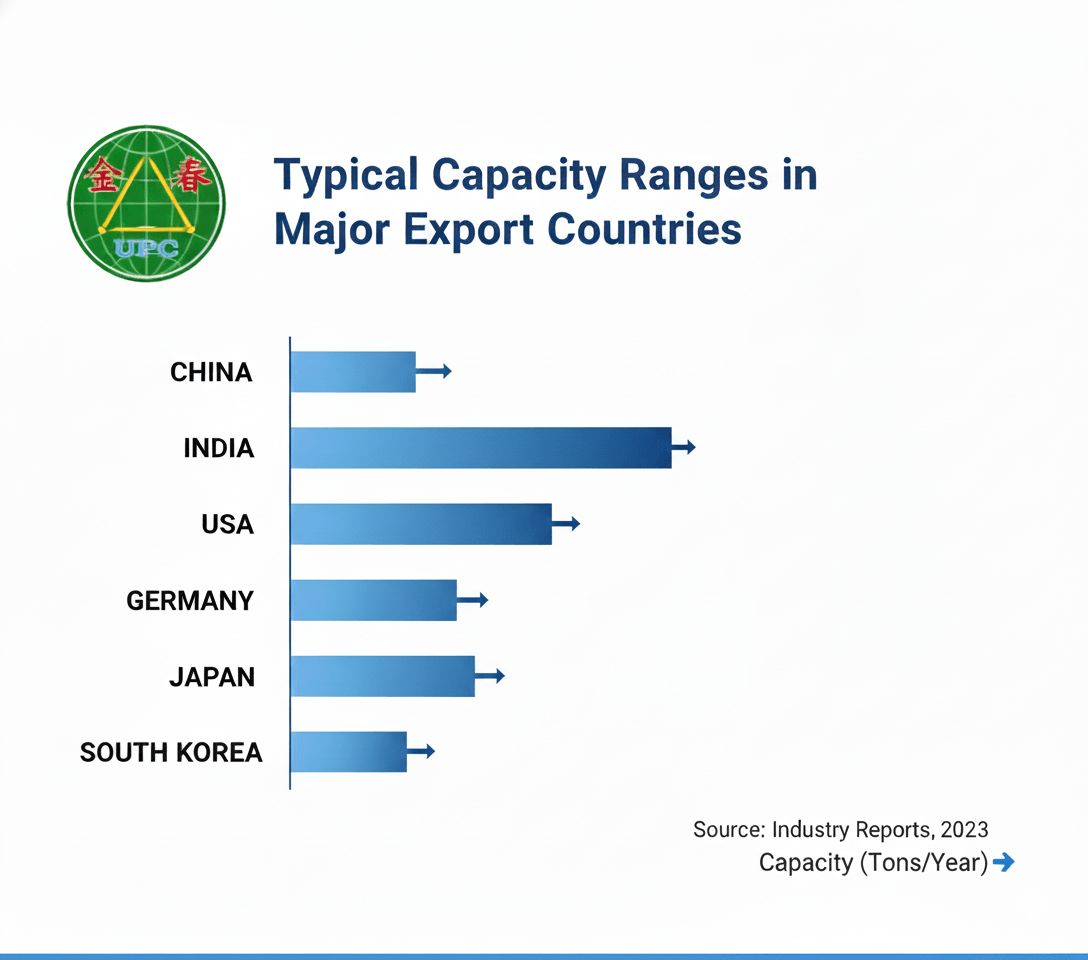
To help buyers evaluate offers, exporters often share approximate ranges for competitive factories:
China
Small factories: 300–600 tons/month
Medium factories: 800–1,500 tons/month
Large factories: 2,000–5,000+ tons/month
Vietnam
Small: 200–400 tons/month
Medium: 500–1,000 tons/month
Large: 1,500–2,500 tons/month
India / Turkey
Generally: 300–1,200 tons/month
These numbers vary, but they give buyers a realistic picture. Some factories exaggerate their capacity during negotiations, leading to shipment delays later. Exporters prefer buyers who understand that sustainable capacity is more important than inflated numbers.
Capacity Fluctuates During Peak Seasons
Many buyers assume tie wire capacity is stable year-round. Exporters want to clarify that capacity fluctuates—especially in large exporting countries.
Common seasonal impacts:
Construction Peak Seasons
April–August in many regions
Demand spikes sharply
Lead times can double
Holiday Shutdowns
Lunar New Year in Asia
Factories may operate at 20–40% capacity
Shipping delays if buyers order last-minute
Monsoon and Rainy Seasons
In some countries, logistics slow down
Raw materials arrive late due to port or transportation issues
Power Restrictions
In some manufacturing regions, government regulations may limit electricity usage during certain months, reducing furnace operation time.
Exporters want buyers to consider these seasonal factors when planning orders, rather than demanding peak-season capacity during low-season pricing.
Raw Material Supply Is a Critical Part of Capacity
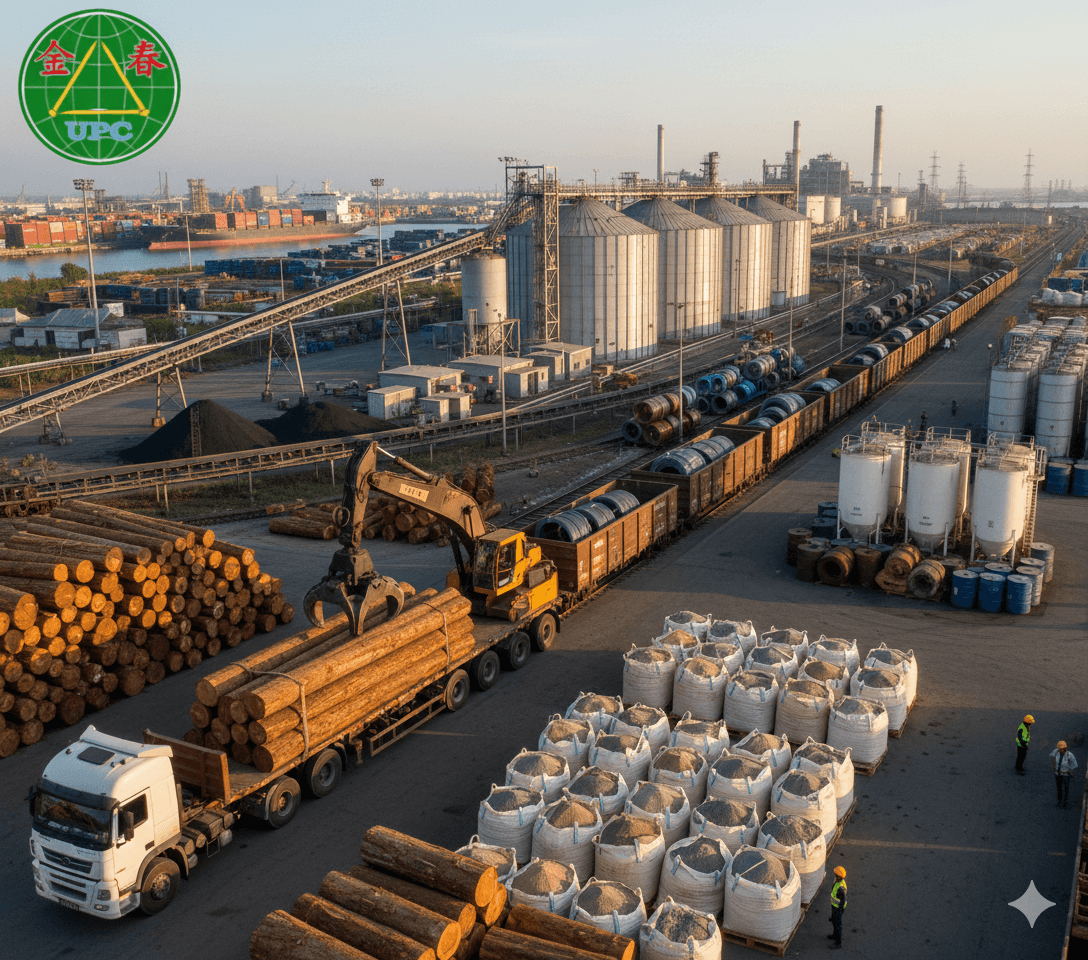
Tie wire begins as steel wire rod, typically SAE1006 / SAE1008 / Q195 grade from major steel mills. Exporters emphasize that raw material access influences not only cost but production stability.
Factors buyers often overlook:
Factories tied to specific mills get priority allocation
Smaller factories may face shortages during high-demand months
Price volatility affects order planning
Some mills require large minimum order volumes
If a factory does not have stable relationships with steel mills, their ability to deliver consistent volumes is compromised—even if their machines and furnaces have high theoretical output. Exporters want buyers to ask: “How stable is your raw material allocation?” not just “What’s your capacity?”
Why Some Factories Cannot Scale Up Quickly
Buyers commonly assume that if they double their order, the factory will simply “increase capacity.” Exporters want to explain why expansion is not that simple.
Main reasons:
Annealing furnaces are expensive and require large installation spaces.
Skilled labor shortages affect production speed and consistency.
Local power infrastructure may not support additional furnaces or long shifts.
Regulatory restrictions can limit factory expansion.
Raw material allocation from steel mills cannot increase overnight.
Tie wire capacity expansion typically takes 3–12 months, not 1–2 weeks.
How Buyers Can Evaluate a Supplier’s True Capacity
Experienced exporters appreciate buyers who ask the right questions. Below are the questions exporters wish more buyers asked.
Key Questions to Verify Real Capacity of tie wire:
How many drawing machines and what models do you operate?
How many annealing furnaces do you have, and what is their per-cycle output?
Do you operate 1, 2, or 3 shifts?
How many workers per shift?
What is your maximum monthly output and your stable monthly output?
How much of your capacity is already booked by existing customers?
Which steel mills supply your raw material?
What’s the average lead time during peak season?
Exporters want buyers to look beyond price and focus on whether the factory can consistently ship 200 tons/month for 12 months—not just one big order.
Overbooking: A Hidden Risk in the Tie Wire Industry
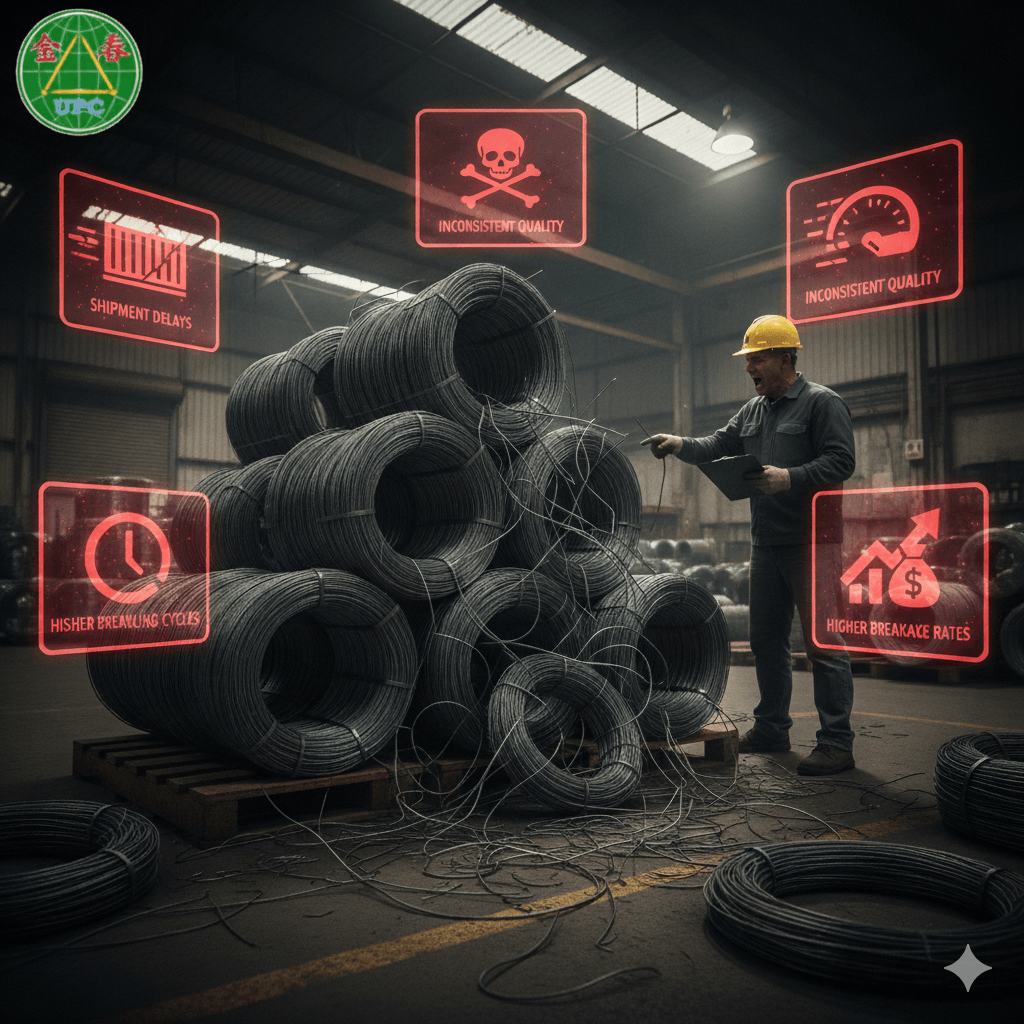
Some suppliers—especially trading companies—promise capacities far beyond what their factories can deliver. This leads to:
Shipment delays
Inconsistent quality
Rushed annealing cycles
Higher breakage rates in the finished wire
Last-minute price increases
Exporters with stable production capacity want buyers to be aware of this issue and choose suppliers based on credibility, not unrealistic promises.
Packaging Capacity Also Limits Shipments
Even if the drawing and annealing stages run smoothly, packaging can become a bottleneck, especially for:
Precision coil weights of tie wire (4.5 kg, 25 kg, 40 kg)
Special bundles (10 coils of tie wire per bale)
Customized labels
Export-grade palletizing
Each tie wire coil must be wound, weighed, tied, shrink-wrapped or bagged, and often labeled manually. When orders exceed packaging labor availability, the final shipping timeline is affected.
What Exporters Want Buyers to Do Differently
Based on years of exporting experience, here are the top requests exporters have for international buyers:
1. Place orders earlier, especially before peak season.
This allows suppliers to allocate furnace time and secure raw materials.
2. Focus on stable capacity, not just maximum theoretical capacity.
A factory showing “2,000 tons/month maximum” may only be able to produce 1,200 tons consistently.
3. Provide forecast volumes when possible.
Even a rough forecast of 3–6 months helps factories manage shifts and raw materials.
4. Understand that quality and capacity are linked.
To deliver big volumes quickly, some suppliers reduce annealing time—leading to stiff or brittle wire.
5. Prioritize suppliers with transparent production data.
Exporters value buyers who understand the complexity behind capacity and choose long-term partnerships.
Conclusion
Production capacity is one of the most misunderstood aspects of the tie wire industry. While tie wire may seem like a basic product, its manufacturing requires careful coordination of machinery, manpower, raw materials, and annealing systems. Exporters want buyers to look beyond simple tonnage figures and understand the deeper factors that influence consistent supply.
When buyers choose suppliers based on realistic capacity, transparent communication, and a long-term outlook, the result is a smoother supply chain, more predictable pricing, fewer delays, and better-quality wire. Exporters genuinely appreciate buyers who understand these dynamics—and the partnership becomes more reliable and profitable for both sides.
Contact information
UNITED NAIL PRODUCTS CO., LTD
Address: 16A8, Tra Noc Industrial Zone 1, Tra Noc Ward, Binh Thuy District, Can Tho City, VietNam
Phone: (+84) 986 831838; (+84) 292 242165
Email: sales5@unitednail.com
Thank you for reading this article, hope the information is useful to you.